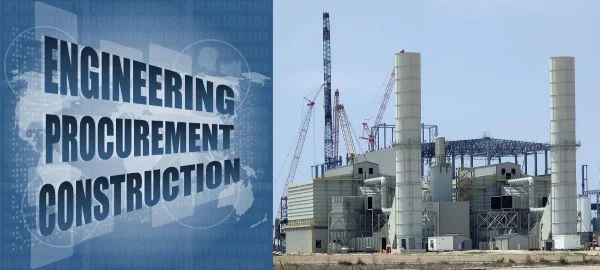
In the world of modern construction and infrastructure development, EPC (Engineering, Procurement, and Construction) has become one of the most popular contract models. From highways and metro systems to power plants and industrial projects, EPC plays a key role in India’s rapid infrastructure growth.
This article provides a complete and detailed guide on EPC in the construction industry, explaining its meaning, process, benefits, challenges, applications, and best practices. The goal is to make the topic clear and useful for civil engineers, contractors, students, and project owners in India.
What Is EPC in Construction?

EPC stands for Engineering, Procurement, and Construction. It is a form of contractual arrangement in which a single company (called the EPC contractor) is responsible for all stages of a project. These include design, material procurement, equipment supply, construction, testing, and commissioning.
At the end of the project, the contractor hands over a fully functional facility to the owner — ready for use. This is why EPC contracts are also referred to as turnkey projects, meaning the client only has to “turn the key” to start operations.
The main objective of EPC contracts is to ensure timely project completion, cost control, and quality assurance under one responsible entity.
Importance of EPC in Modern Indian Construction
In India, EPC contracts have become increasingly popular in public and private sectors. Major government infrastructure programs such as Bharatmala, Sagarmala, Smart Cities Mission, and metro rail networks rely on EPC to streamline project delivery.
EPC is vital for the Indian construction sector because:
- It provides a single point of accountability, reducing coordination issues.
- It ensures faster execution since design and construction can proceed simultaneously.
- It offers cost predictability with fixed-price contracts.
- It reduces risk for project owners, as most risks are transferred to the contractor.
With India’s growing infrastructure demand, EPC has become a preferred model for power projects, renewable energy plants, roads, bridges, and water systems.
EPC vs EPCM vs Turnkey Contracts
To understand EPC better, it’s important to compare it with similar models such as EPCM and Turnkey contracts.
| Parameter | EPC | EPCM | Turnkey |
|---|---|---|---|
| Full Form | Engineering, Procurement, and Construction | Engineering, Procurement, and Construction Management | Turnkey Project |
| Responsibility | Contractor handles everything | Contractor manages on behalf of owner | Contractor delivers ready-to-use facility |
| Risk | Mostly on contractor | Shared with owner | Fully on contractor |
| Cost Type | Fixed / Lump sum | Variable / Cost plus | Fixed |
| Owner Involvement | Minimal | High | Minimal |
| Flexibility | Low | High | Low |
EPCM (Engineering, Procurement, and Construction Management) gives the owner more control but also more responsibility. EPC, on the other hand, offers convenience and lower risk for the owner but requires high contractor capability.
Step-by-Step Process of EPC Projects
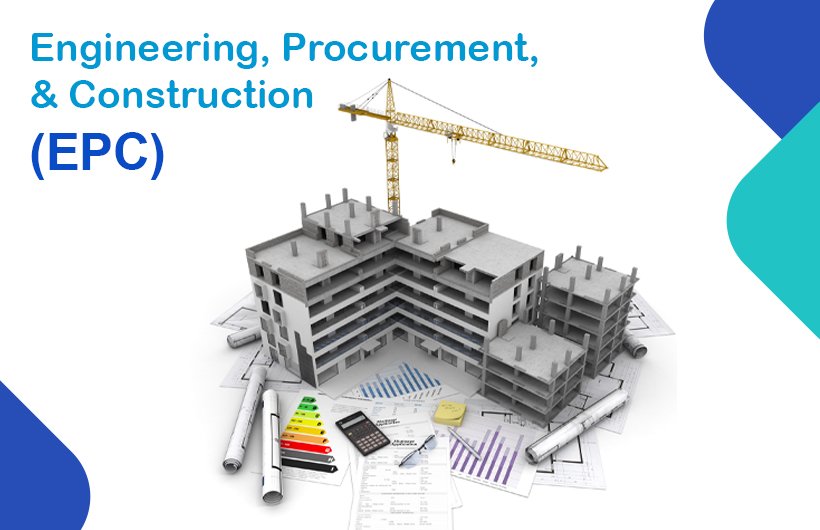
EPC projects follow a clear sequence from start to finish. Each stage is essential to ensure the project is completed safely, on time, and within budget.
1. Project Planning and Concept Design
The owner defines the scope of work, performance targets, and key requirements. The EPC contractor provides initial design inputs and cost estimates.
2. Engineering and Design
This stage includes basic and detailed engineering — covering civil, mechanical, electrical, and instrumentation drawings. Proper design ensures functionality, safety, and compliance with Indian standards such as IS codes and IRC guidelines.
3. Procurement of Materials and Equipment
The contractor procures all materials, machinery, and systems needed for construction. Procurement is done through approved suppliers to maintain quality and timely delivery.
4. Construction and Site Execution
This is the most resource-intensive phase. Civil works, structural erection, electrical installations, and finishing activities are completed. The EPC contractor ensures strict quality control and safety standards.
5. Testing, Commissioning, and Handover
After construction, the facility is tested for performance. Once all specifications are met, it is handed over to the owner as a fully functional and operational project.
Also Read Role and Responsibilities of a Civil Site Engineer in India — Complete Guide for 2025
Structure of an EPC Contract
An EPC contract is a detailed document that defines the roles, responsibilities, and liabilities of both parties. It usually includes:
- Scope of Work – Details of what the contractor must deliver.
- Technical Specifications – Standards, drawings, and performance criteria.
- Price and Payment Terms – Lump-sum cost, milestones, and retention money.
- Project Schedule – Start and completion dates, delay penalties.
- Quality and Safety Requirements – Codes, inspections, and certifications.
- Performance Guarantees – Output levels, reliability, and testing requirements.
- Risk Allocation – Responsibilities in case of delays, cost overruns, or force majeure.
- Insurance and Bonds – Security measures for both owner and contractor.
- Dispute Resolution – Arbitration and legal procedures in case of conflict.
A well-written EPC contract ensures smooth execution and protects both the owner and the contractor.
Major Sectors Using EPC in India
| Sector | Type of Projects | EPC Role |
|---|---|---|
| Power | Thermal, Hydro, Solar, Wind | Design, supply, erection, and commissioning of plants |
| Transportation | Roads, Highways, Metro | Civil construction and structural works |
| Oil & Gas | Refineries, Pipelines | Process design and installation |
| Water | Treatment Plants, Sewage Systems | Civil, electrical, and instrumentation works |
| Industrial | Cement, Steel, Fertilizer Plants | Turnkey industrial plant setup |
EPC contracts are the backbone of India’s infrastructure sector, particularly for large-scale government projects and industrial developments.
Advantages of EPC Contracts
EPC contracts offer multiple benefits that make them ideal for complex construction projects:
- Single Point Responsibility
One contractor handles all tasks — from design to handover — reducing coordination problems. - Faster Execution
Overlapping design and construction phases save time and help meet tight deadlines. - Cost Certainty
Lump-sum contracts provide clear cost estimates and reduce budget overruns. - Quality Assurance
The contractor is responsible for meeting strict quality and performance standards. - Reduced Owner Workload
Owners can focus on strategic decisions while the contractor manages day-to-day execution. - Performance Guarantee
The EPC contractor must ensure that the finished project meets all operational requirements.
Disadvantages of EPC Contracts
While EPC offers convenience, it also has limitations:
- Higher Cost
Since contractors take on more risk, their margins are higher, making EPC more expensive than traditional methods. - Limited Owner Control
Owners have less influence during construction, which can lead to design changes being costly. - Complex Contract Management
Disputes may arise if scope or performance is not clearly defined. - Dependence on Contractor
The success of the project heavily depends on the capability of the EPC firm. - Potential Quality Compromise
If contractors focus on cost savings, long-term quality may suffer without strict supervision.
Risk Allocation in EPC Projects
| Risk Type | Responsibility |
|---|---|
| Design Errors | Contractor |
| Construction Delay | Contractor |
| Ground Conditions | Owner / Shared |
| Force Majeure | Shared |
| Material Shortages | Contractor |
| Change Orders | Owner |
| Equipment Failure | Contractor |
| Approvals Delay | Owner |
A clear understanding of risk allocation ensures fewer disputes and smooth execution.
Role of EPC in Infrastructure Development in India
EPC contracts have revolutionized India’s infrastructure sector. Major national projects such as expressways, bridges, metro rail systems, power plants, and smart cities are executed under EPC models.
The National Infrastructure Pipeline (NIP) and Gati Shakti Mission promote EPC contracts for faster delivery and accountability. Indian EPC companies like Larsen & Toubro (L&T), Tata Projects, Afcons, and GMR have become global players due to their expertise in handling large-scale projects.
With India aiming for $1.4 trillion infrastructure investment by 2030, EPC will continue to play a central role in achieving these goals.
Best Practices for Successful EPC Execution
- Clear Scope Definition – Avoid ambiguity in technical specifications and drawings.
- Strong Project Management – Monitor schedule, cost, and risk actively.
- Efficient Procurement Planning – Identify long-lead items early.
- Quality Assurance – Implement strict inspection and testing protocols.
- Safety Compliance – Enforce site safety standards and regular audits.
- Digital Project Controls – Use software tools for scheduling, documentation, and reporting.
- Transparent Communication – Maintain clear owner-contractor communication throughout.
Following these best practices ensures efficiency, safety, and timely completion of EPC projects.
Latest Trends in EPC Construction in India (2025)
- Digital Transformation: EPC firms are adopting Building Information Modeling (BIM), drones, and AI for better project management.
- Green Construction: Emphasis on sustainable materials and low-carbon practices.
- Hybrid EPC Models: Combining EPC with Operation & Maintenance (O&M) services.
- Renewable Energy Focus: Rapid growth of solar and wind EPC contracts.
- Skill Development: Demand for skilled engineers, project planners, and procurement specialists.
These trends are shaping the future of the Indian construction industry, making EPC more efficient and sustainable.
FAQs on EPC in Construction
Q1. What does EPC stand for in construction?
EPC means Engineering, Procurement, and Construction. It refers to a contract in which one contractor designs, procures materials, and builds a project completely.
Q2. How is EPC different from Turnkey contracts?
Both deliver a ready-to-use facility, but in EPC, the focus is more on engineering and project delivery, while turnkey may include operation setup.
Q3. Why is EPC preferred in government projects?
Government agencies prefer EPC for large projects as it offers cost certainty, faster completion, and a single point of responsibility.
Q4. What are examples of EPC companies in India?
Major EPC firms include Larsen & Toubro (L&T), Tata Projects, Afcons, GMR, Megha Engineering, and Sterling & Wilson.
Q5. What is an EPCM contract?
EPCM means Engineering, Procurement, and Construction Management. The EPCM firm manages the project but does not execute the construction itself.
Conclusion
EPC contracts are transforming the construction landscape in India by combining engineering expertise, procurement efficiency, and construction excellence under one roof. They ensure faster, safer, and more reliable project delivery — from power plants and highways to industrial facilities and metros.
However, success in EPC depends on proper planning, risk management, and collaboration between owners and contractors. With India’s massive infrastructure push, EPC will remain a cornerstone of modern civil engineering and construction management for years to come.
As the demand for quality infrastructure continues to rise, EPC will drive innovation, sustainability, and growth across the Indian construction industry.