Masonry walls are common in Indian homes and buildings. They use bricks, stones, or blocks. These walls carry loads from roofs and floors. They transfer loads to the foundation. In India, many old and new structures use masonry. This helps keep costs low. But wrong load transfer can cause cracks or falls. This guide explains load transfer in masonry walls. We use simple words. Short sentences make it easy to read. We cover basics, types, mechanisms, and design. We add tips for Indian builders. We use info from top sources like Structure Magazine, Structural Basics, RISA, Graitec, ScienceDirect, CMHA, and IS 1905. IS 1905 is the main Indian code for unreinforced masonry. It is from 1987 but still used in 2026 with updates. This article is over 3000 words. It helps students, engineers, and masons in India.
What Is a Masonry Wall?
A masonry wall is made of units like bricks or blocks. They are joined with mortar. Mortar is a mix of cement, sand, and water. In India, red clay bricks are popular. They are cheap and strong. Masonry walls can be load-bearing or non-load-bearing. Load-bearing walls carry weight from above. Non-load-bearing walls only support their own weight. They divide rooms. Masonry is good for India’s hot and wet weather. But it needs good design for earthquakes. In places like Jharkhand, masonry is used in rural homes. It uses local materials.
Masonry walls resist compression well. Compression is pushing force. But they are weak in tension. Tension is pulling force. Steel bars can help in reinforced masonry. Unreinforced masonry has no steel. IS 1905 covers unreinforced types. It says walls must be stable. Stability means not falling under loads.
Types of Masonry Walls in India
India has many types of masonry walls. They depend on materials and use.
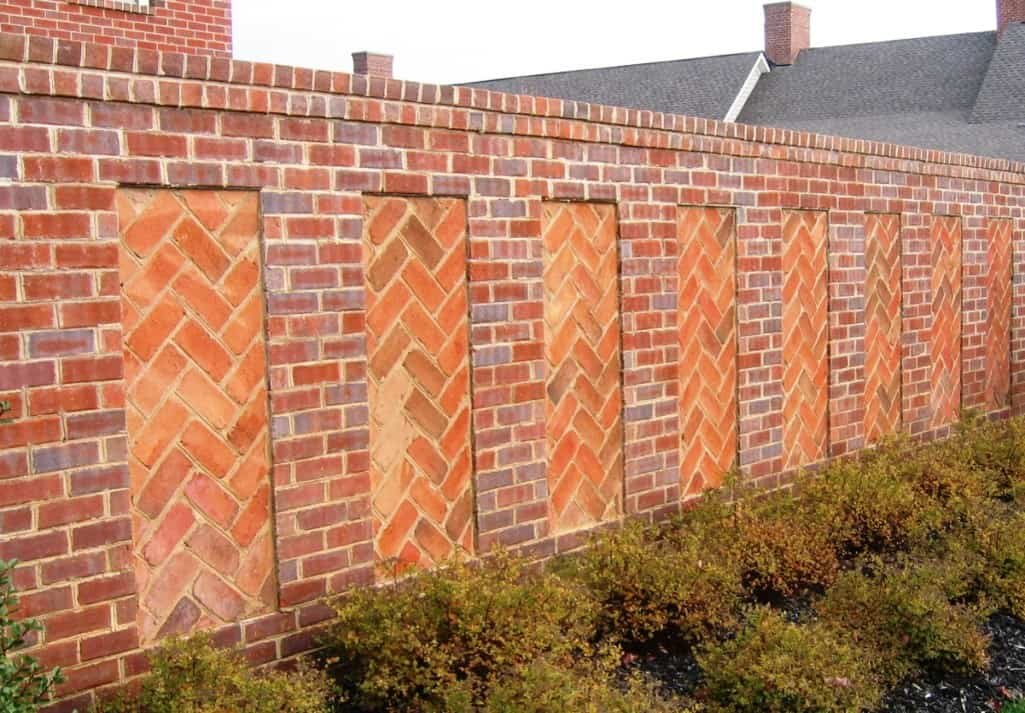
- Brick Masonry Walls: Made of burnt clay bricks. Common in homes. They transfer loads well if built right.
- Stone Masonry Walls: Use stones like granite or sandstone. Strong for big buildings. In hilly areas like Jharkhand, stones are easy to get.
- Concrete Block Walls: Hollow or solid blocks. Faster to build. Good for modern flats.
- Load-Bearing Walls: Carry roof and floor loads. Thick at bottom. Thin at top.
- Non-Load-Bearing Walls: Only for partitions. Do not carry heavy loads.
- Reinforced Masonry Walls: Have steel bars. Better for earthquakes.
- Confined Masonry Walls: Walls with concrete ties. Common in seismic zones.
In hybrid masonry, walls mix with steel frames. This is new in India. It transfers loads better.
Common Masonry Wall Types in India
| Wall Type | Material Used | Load Transfer Role | Common Use in India |
|---|---|---|---|
| Brick Masonry | Burnt clay bricks | Vertical and lateral loads | Residential homes, low-rise |
| Stone Masonry | Natural stones | High compression loads | Temples, rural buildings |
| Concrete Block | Cement blocks | Quick load transfer | Apartments, commercial |
| Reinforced | Bricks with steel | Tension and shear resistance | Earthquake-prone areas |
| Confined | Masonry with ties | Seismic load distribution | New constructions in zones 3-5 |
This table is based on IS 1905 and sources like CMHA.
Also Read Civil Engineering Viva Questions for RCC: Complete Guide with Answers (2026 Updated)
Loads on Masonry Walls
Loads are forces on walls. They come from above or sides.
- Dead Loads: Weight of wall itself. Also roofs, floors, and fixtures. Constant.
- Live Loads: People, furniture, or snow. Change over time.
- Wind Loads: From strong winds. Horizontal. Common in coastal India.
- Earthquake Loads: Shaking forces. High in zones like Himalayas.
- Concentrated Loads: Point forces from beams or columns.
Walls must transfer these loads down. If not, walls crack.
In India, IS 1905 says calculate loads per IS 875. IS 875 is for wind and dead loads.
Mechanisms of Load Transfer in Masonry Walls
Load transfer is how forces move through walls. From top to bottom.
Vertical Load Transfer
Vertical loads go down. Through compression.
In load-bearing walls, loads start at roof. Go to slabs. Then walls. To foundation.
Path: Roof → Beams → Walls → Foundation → Soil.
In multi-story, upper walls transfer to lower walls.
Arching helps. Arching is when loads spread like an arch. In openings, loads go to sides. Not down.
From RISA: If no arching, loads truncate above openings. If arching (45° triangle), loads smear to piers.
In India, bricks bond well. This helps transfer.
Lateral Load Transfer
Lateral means side ways. From wind or quakes.
Walls act as shear walls. Resist sliding.
Transfer: Floor acts as diaphragm. Sends loads to walls.
Walls send to foundation.
In confined masonry, ties help. Ties are concrete bands.
From CMHA: Shear walls resist in-plane forces.
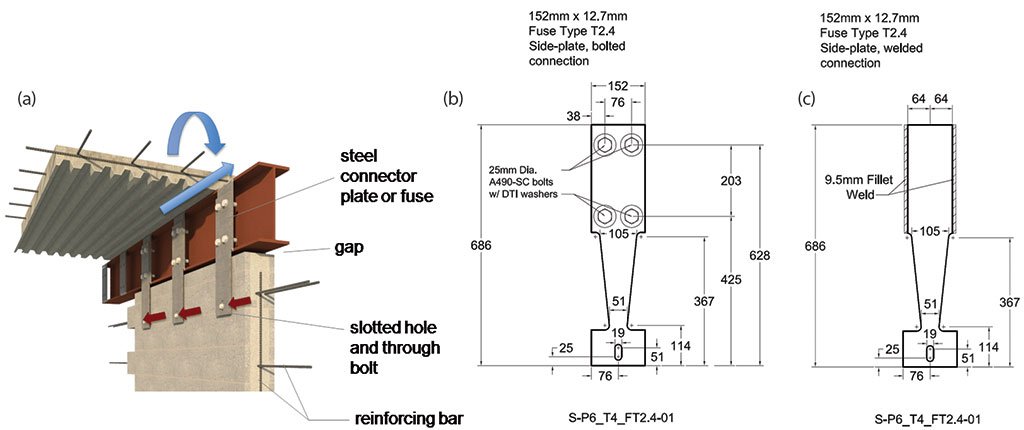
In hybrid, connectors transfer shear.
Concentrated Load Transfer
Point loads from beams.
Spread at angles.
From Structural Basics: 30° dispersion per EN 1996. But IS 1905 says 30° from vertical.
Loaded area Ab spreads load.
Enhancement factor β increases strength.
β = min(1.5, 1.25 + a1/(2 hc))
Where a1 is distance to edge. hc is height.
From Graitec: Use Eurocode 6. But in India, adapt to IS 1905.
Resistance N_Rdc = β * Ab * fd
fd is design strength.
Factors Affecting Load Transfer
Many things affect how loads transfer.
- Wall Thickness: Thicker walls carry more.
- Height and Slenderness: Tall walls buckle. Slenderness ratio = height/thickness.
IS 1905: Max 27 for load-bearing.
- Mortar Quality: Strong mortar bonds better.
IS 1905: Mortar mixes like 1:6 cement:sand.
- Openings: Doors, windows weaken. Need lintels.
From Structure Magazine: Use needle shoring for openings.
- Material Strength: Brick strength 3.5-35 MPa.
- Eccentricity: Off-center loads cause bending.
- Soil Type: Foundation must be firm.
- Seismic Zone: In India, zones 2-5 need better transfer.
- Arching Effect: 45° or 60° spread for point loads.
- Connections: In hybrid, studs or bolts.
From ScienceDirect: In hybrid, type I uses bolts. Type II studs.
Factors Affecting Load Transfer
| Factor | Effect on Transfer | IS 1905 Reference |
|---|---|---|
| Slenderness Ratio | High ratio reduces capacity | Max 27 for walls |
| Mortar Strength | Weak mortar causes failure | Table 2 for mixes |
| Eccentricity | Increases bending stress | Stress reduction factor |
| Openings | Disrupts uniform transfer | Dispersion at 30° |
| Material | Low strength limits load | Basic stress in Table 3 |
Design Considerations as per IS 1905
IS 1905 is key for India. It is for unreinforced masonry.
Basic rules:
- Calculate basic stress. From unit strength and mortar.
- Reduce for slenderness and eccentricity.
- For stability: Walls must not overturn.
Free-standing walls: Height/thickness ratio per wind pressure.
Dispersion: Concentrated loads disperse at 30°.
Effective height: For walls with DPC, adjust.
Cross walls help stability. Transfer lateral loads.
From Scribd: Loads from floors to walls to foundation.
In 2026, use with IS 4326 for quakes.
Design steps:
- Find loads per IS 875.
- Choose units and mortar.
- Calculate effective dimensions.
- Check stress < allowable.
- For concentrated: Use angle of dispersion.
Examples from sources:
- Point load on wall: Spread to effective area.
From Structural Basics: N_Ed < β Ab fd.
In India, adapt EN to IS.
For hybrid: Not in IS 1905. Use international like CMHA.
Common Problems in Load Transfer
Problems happen if design is wrong.
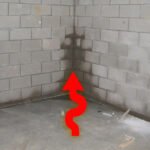
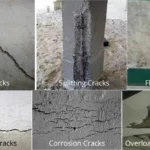
- Cracks: From uneven transfer. Or weak mortar.
- Buckling: Tall thin walls.
- Settlement: Soft soil. Foundation fails.
- Overloading: Extra floors added.
- Earthquake Damage: No ties in high zones.
From Structure Magazine: Cracks in brittle masonry during transfer.
Solutions: Use shoring. Pre-load beams.
In India, monsoon rain weakens walls. Cure mortar well.
Prevention Tips for Indian Builders
Build right to avoid issues.
- Use good bricks. Test strength.
- Mix mortar per IS 1905.
- Provide bands in seismic areas.
- Check slenderness.
- Use lintels over openings.
- Cure walls 7-14 days.
In Jharkhand, use local stones. But follow codes.
Case Studies from Sources
- Existing Building Renovation (Structure Magazine): Widened openings in masonry. Used needle shoring. Transferred loads via steel beams. Pre-loaded to avoid cracks.
- Point Load Verification (Structural Basics): Wall with steel beam. Calculated β=1.41. Verified safe.
- Hybrid Structures (ScienceDirect): Type II transferred vertical and shear. Better than type I in quakes.
- Wall with Openings (RISA): Arching reduced lintel load. Smeared to piers.
- Shear Walls (CMHA): In-plane forces transferred via ties. Used in mid-rise.
In India, similar in old forts. Like Red Fort walls transfer loads through arches.
Advanced Topics: Hybrid and Confined Masonry
Hybrid is new. Mix masonry with steel.
From CMHA: Type I no vertical transfer. Gaps for drift.
Type II: Axial and shear.
Type III: Full confine.
In India, good for tall buildings.
Confined: Bands at plinth, lintel, roof.
From sources: Transfers loads better in quakes.
IS 4326 recommends.
Tables for Design
Table: Basic Compressive Stress (IS 1905 Table 3, MPa)
| Brick Strength (MPa) | H6 Mortar | M1 Mortar | M2 Mortar |
|---|---|---|---|
| 3.5 | 0.25 | 0.35 | 0.40 |
| 7.0 | 0.40 | 0.50 | 0.55 |
| 10.0 | 0.50 | 0.60 | 0.70 |
| 20.0 | 0.80 | 1.00 | 1.10 |
H6 is lime mortar. M1, M2 cement.
Table: Stress Reduction Factors (IS 1905)
| Slenderness Ratio | Factor |
|---|---|
| 6 | 1.00 |
| 12 | 0.90 |
| 18 | 0.70 |
| 24 | 0.50 |
| 27 | 0.40 |
For eccentricity, more reduction.
FAQs on Load Transfer Through Masonry Walls
Q1: What is load transfer in masonry walls?
A: It is how forces move from top to foundation through walls.
Q2: Which IS code for masonry in India?
A: IS 1905 for unreinforced. IS 4326 for seismic.
Q3: How do concentrated loads transfer?
A: Spread at 30° angle per IS 1905.
Q4: What is arching in walls?
A: Loads curve around openings. Like 45° triangle.
Q5: Why use hybrid masonry?
A: Better for quakes. Transfers shear and axial.
Q6: Max slenderness for walls?
A: 27 per IS 1905.
Q7: How to prevent cracks?
A: Good mortar, proper curing, lintels.
Q8: Difference in load-bearing and non-load-bearing?
A: Load-bearing carries structure weight. Non only self.
Conclusion
Load transfer through masonry walls is vital for safe buildings. In India, use IS 1905 for design. Understand vertical, lateral, and concentrated mechanisms. Factors like slenderness and mortar affect it. Use tables for stresses. Prevent problems with good practices. Hybrid and confined are future trends. This guide helps Indian builders make strong walls. Stay updated with BIS. Safe masonry saves lives and money.