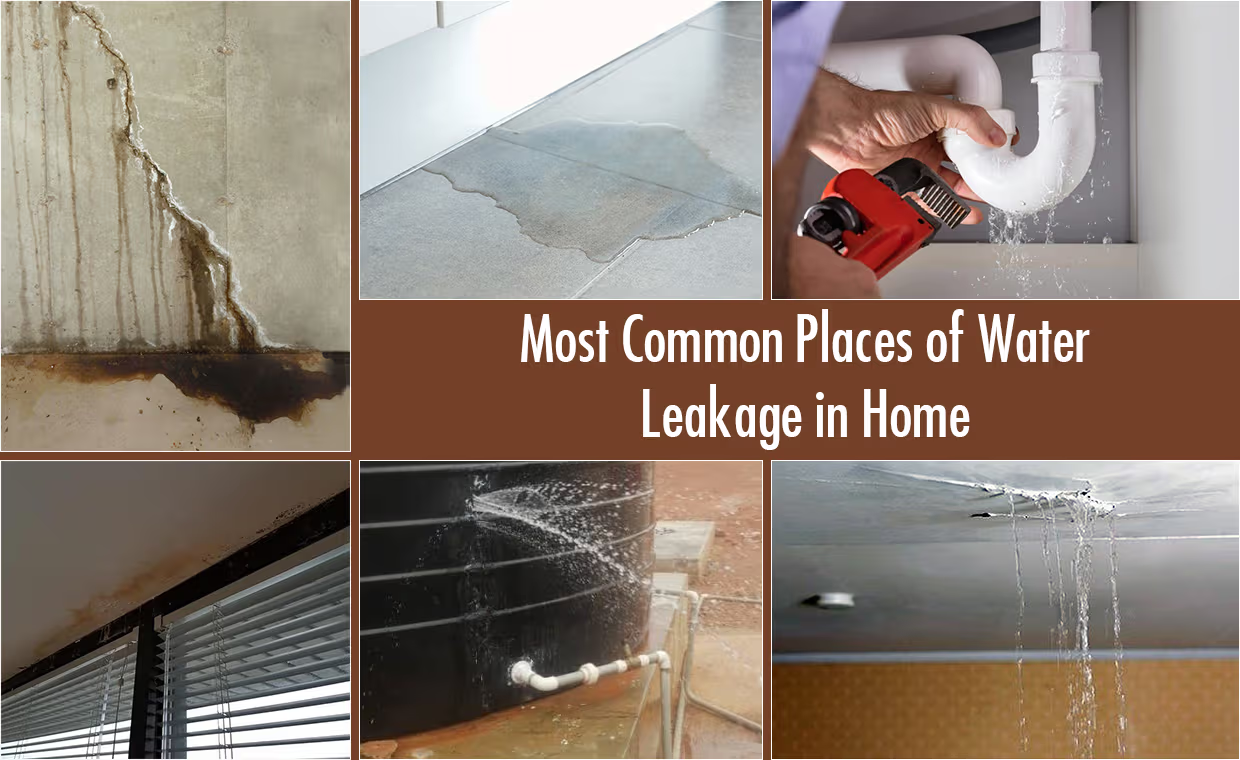
If you’ve ever walked into your bathroom and spotted a mysterious damp patch on the wall-or worse, seen water dripping onto the ceiling below-you know how frustrating (and expensive) bathroom leaks can be. In India, where monsoons hit hard and bathrooms are often small, wet zones, this problem shows up in homes, apartments, and even new constructions.
Most people shrug it off as “just a small leak,” but ignore it and you’re looking at peeling paint, moldy smells, damaged tiles, weakened walls, and sky-high repair bills. In apartments, it can even spark fights with neighbors downstairs or next door.
The good news? Almost all bathroom leaks are preventable. In this guide, I’ll walk you through the real reasons leaks happen in Indian bathrooms, how to spot them early, smart prevention steps, repair options, and everyday maintenance tips that actually work.

Why Bathroom Leaks Matter More Than You Think
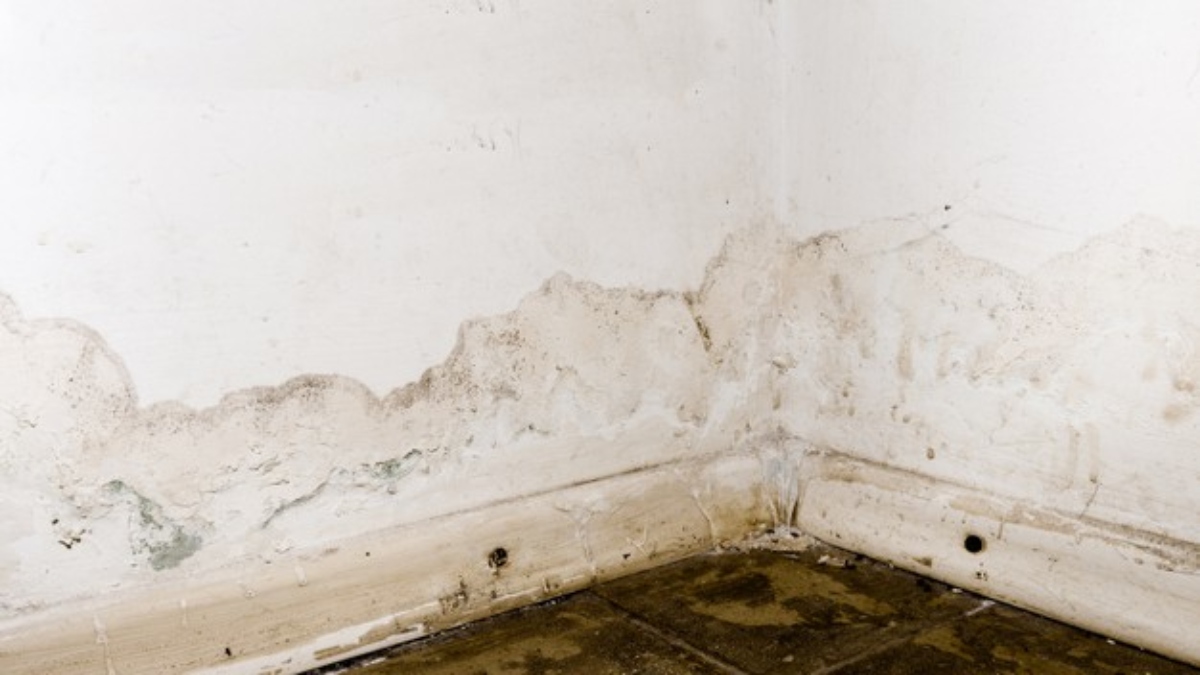
It’s not just ugly damp spots. Constant water seepage eats away at your home:
- Plaster crumbles and paint bubbles off
- Mold and mildew grow (hello, health issues and that musty smell)
- Walls and ceilings below get ruined
- Electrical fittings can become dangerous
- In the long run, the building structure weakens
Early action saves thousands of rupees and a lot of headaches.
What Exactly Is Bathroom Leakage?
Simply put, water is escaping where it shouldn’t-seeping into walls, floors, ceilings, or even the flat below. Sometimes it’s obvious (dripping or wet patches). Other times it’s sneaky-hidden behind tiles, showing up as paint bubbles, soft walls, or a bad smell long before you see water.
The Main Causes of Bathroom Leaks in Indian Homes
Leaks rarely come from just one thing. Usually, it’s a mix of poor construction shortcuts, bad plumbing, and everyday wear. Here are the top culprits:
1. Failed Waterproofing (The #1 Reason)
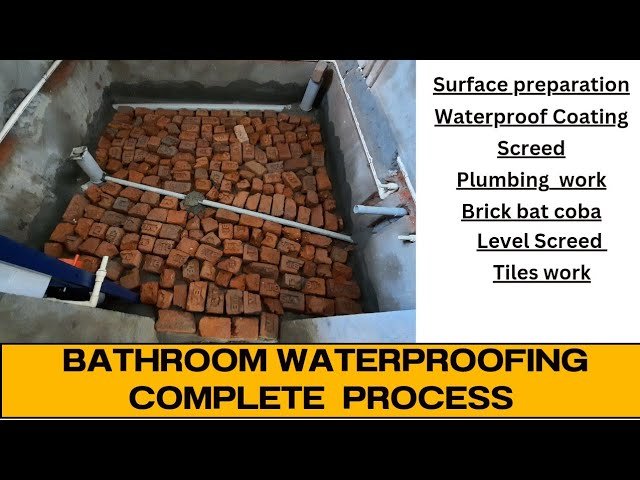
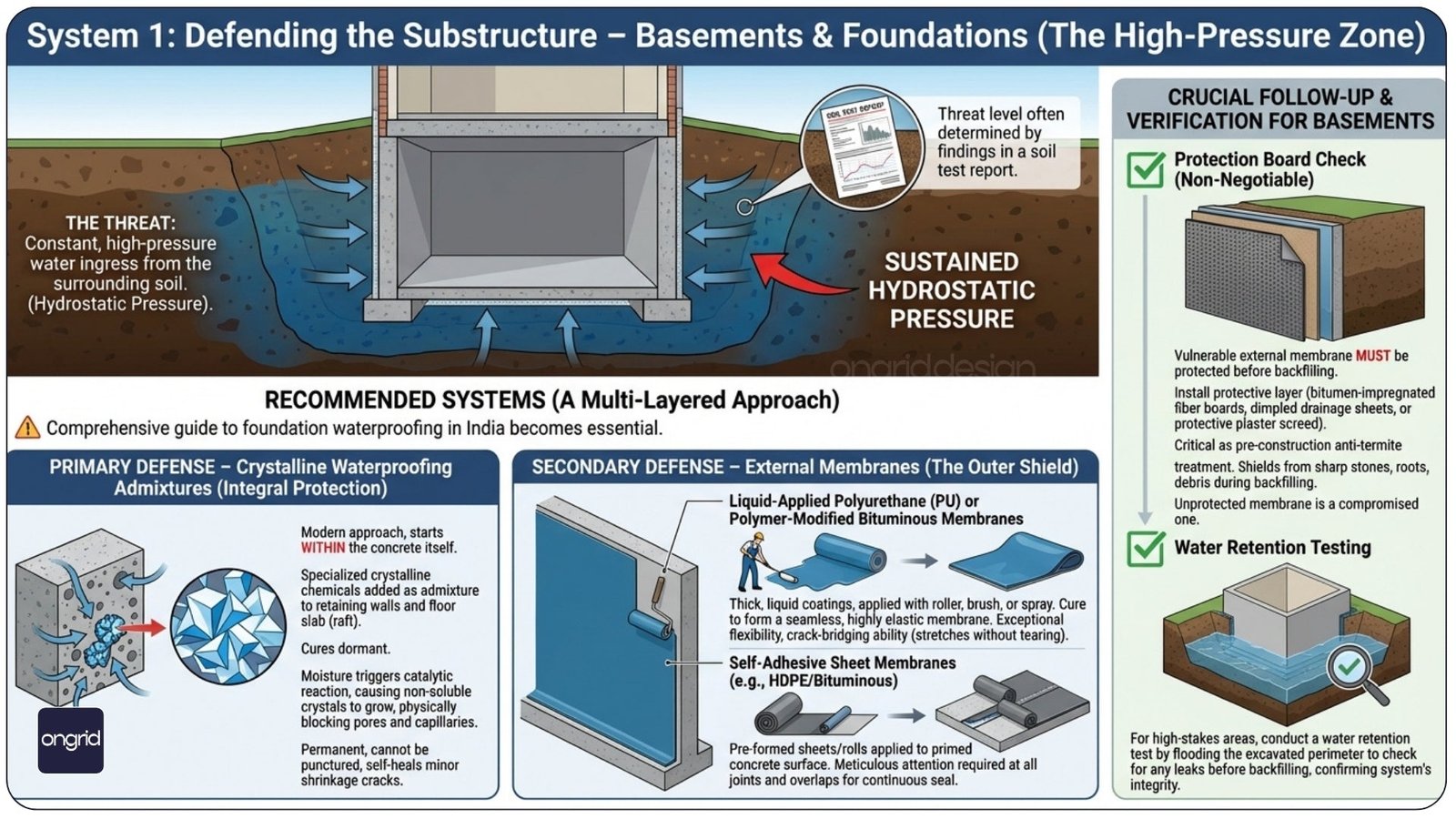
In so many Indian buildings, waterproofing is rushed or done with cheap materials. The layer isn’t continuous, or it’s not taken up the walls high enough (ideally 150–300 mm). Corners, pipe outlets, and junctions get missed. Water sneaks under tiles and into the concrete slab.
2. Plumbing and Hidden Pipe Problems
Loose joints, missing Teflon tape, cracked CPVC/PVC lines, or poor sealing where pipes enter walls. A tiny drip inside the wall can go unnoticed for months.
3. Grout and Tile Joint Failures
Grout cracks, shrinks, or wasn’t filled properly. Water slips through gaps between tiles, especially in shower areas or around fixtures.
:max_bytes(150000):strip_icc()/SPR-grout-sealer-definition-1821387-hero-362aa3feece248a0b475765b8ea0e925.jpg)

4. Wrong Floor Slope or Poor Design
Water should flow toward the drain. But if the slope is flat or wrong (aim for 1–2% toward the drain), water pools in corners or against walls and eventually seeps down.
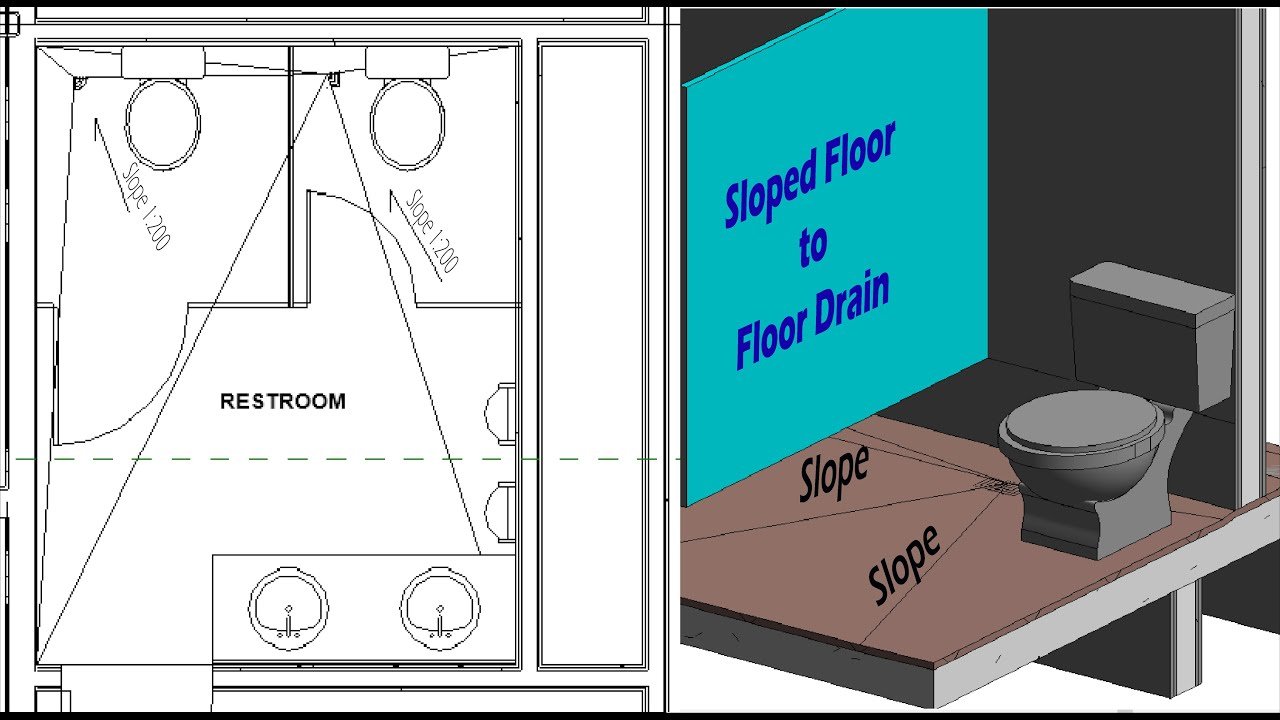
ARC 007: Sloped Floor to Floor Drain
5. Drainage and Trap Issues
Clogged drains (hair + soap scum), poor pipe slopes, or dried-out traps let water back up or allow smells/seepage.
6–8. Other Common Causes
- Gaps around fixtures and penetrations
- Age and material wear (especially in 10+ year-old homes)
- Bad daily habits (splashing buckets in one spot, ignoring drips, never cleaning drains)
How to Spot a Leak Early
Look for these warning signs:
- Damp or discolored patches on walls/ceilings
- Peeling paint or bubbling plaster
- Musty odors
- Water stains below the bathroom
- Cracked tiles or soft spots
A cheap moisture meter or even a flashlight inspection helps. For pros, infrared cameras or dye tests pinpoint hidden leaks.
Prevention: Build It Right the First Time
Prevention beats cure every time. Here’s what really works in Indian homes:
Waterproofing Done Right
- Clean the surface thoroughly
- Apply quality slurry or membrane (two coats minimum)
- Take it up walls 150–300 mm
- Focus extra on corners, pipe outlets, and junctions
- Do a 24–48 hour pond test before tiling
Smart Plumbing & Slope Practices
Use good CPVC/UPVC pipes, seal every joint, test under pressure, and ensure 1:50 to 1:100 slope to drains. Place drains at the lowest point.
Tiles, Grout & Sealing
Choose low-absorption tiles (<0.5%), quality grout, and seal edges with flexible sealant.
Everyday Maintenance Habits That Prevent Leaks
- Clean drains weekly (use a drain snake)
- Fix dripping taps immediately
- Re-seal grout every 2–3 years
- Check after heavy rains
- Avoid dumping hair or oil down drains
How to Repair Bathroom Leaks
Act fast—small fixes are cheap.
- Grout/Tile Issues → Re-grout and seal (₹500–₹2,000)
- Waterproofing Failure → Reapply quality waterproofing (₹5,000–₹20,000)
- Pipe Leaks → Replace seals or pipes (₹2,000–₹15,000)
- Full redo → Waterproofing + tiles (₹10,000–₹40,000)
Common Myths About Bathroom Leaks
- Myth: Only floor tiles cause leaks → Walls, pipes, and joints matter too.
- Myth: New homes never leak → Poor workmanship makes new builds leak just as much.
- Myth: Fancy tiles stop leaks → Grout, slope, and waterproofing matter more.
Quick FAQs
Why does my bathroom leak only sometimes?
Heavy use, blocked drains, or pressure on weak waterproofing.
Can leaks damage the building structure?
Yes-long-term seepage weakens concrete and steel.
What’s a pond test?
Filling the floor with water for 1-2 days before tiling to check for leaks.
How long does good waterproofing last?
5-10 years with quality products and installation.
Final Thoughts
Bathroom leaks are super common in Indian homes, but they’re almost always avoidable. The biggest enemies are skimped waterproofing, sloppy plumbing, poor slopes, and neglected maintenance.
Start with solid construction practices, use decent materials, and stay on top of small habits like drain cleaning and quick fixes. Catch warning signs early (damp walls, bad smells), and your bathroom stays dry, healthy, and valuable.
Want a printable waterproofing checklist, monsoon prep plan, or step-by-step repair guide? Just let me know-I’d be happy to share one!