Good road drainage keeps a road safe, durable and low-maintenance.
Water is the enemy of pavements. It weakens the subgrade, causes potholes and shortens life.
A well-designed drainage system removes surface water quickly. It also lowers underground water that soaks the pavement.
This article explains all important types of road drainage systems.
It uses simple English and short sentences.
It is written for students, site engineers, contractors and local government officers in India.
You’ll get clear definitions, diagrams described in words, practical design notes, materials, maintenance tips and FAQs.
I also include tables summarising common solutions and when to use them.
Key SEO phrases used naturally: road drainage, roadside drains, surface drainage, subsurface drainage, cross-drainage, culverts, stormwater drains, drainage design India, IRC road drainage.
Why drainage matters for roads (short)
- Water on the surface reduces skid resistance and causes accidents.
- Water under pavement reduces bearing strength.
- Ponding accelerates rutting and pothole formation.
- Poor drainage increases maintenance costs and shortens design life.
Good drainage protects the pavement and reduces life-cycle costs. Design must follow local codes and practical site constraints.
Two principal categories of road drainage
All road drainage systems fall into two broad types:
- Surface (or overland) drainage — removes water running over the pavement and shoulder.
- Subsurface drainage — controls water inside and below the pavement layers and the surrounding soil.
Both systems work together. Surface drains quickly remove rainwater. Subsurface drains prevent waterlogging of the subgrade and pavement base.
(Indian design guidance and practical manuals emphasise addressing both surface and subsurface drainage in an integrated manner.) Public Works Department Mizoram+1
1 — Surface drainage (dewatering)
Surface drainage is the first defence. It captures rainwater before it soaks into the pavement.
Main elements of surface drainage
- Crown or camber: Pavement cross slope that sheds water to edges. A typical camber is 1.5–2.5% on rural roads.
- Shoulders: Sloped to carry water from the pavement to side drains.
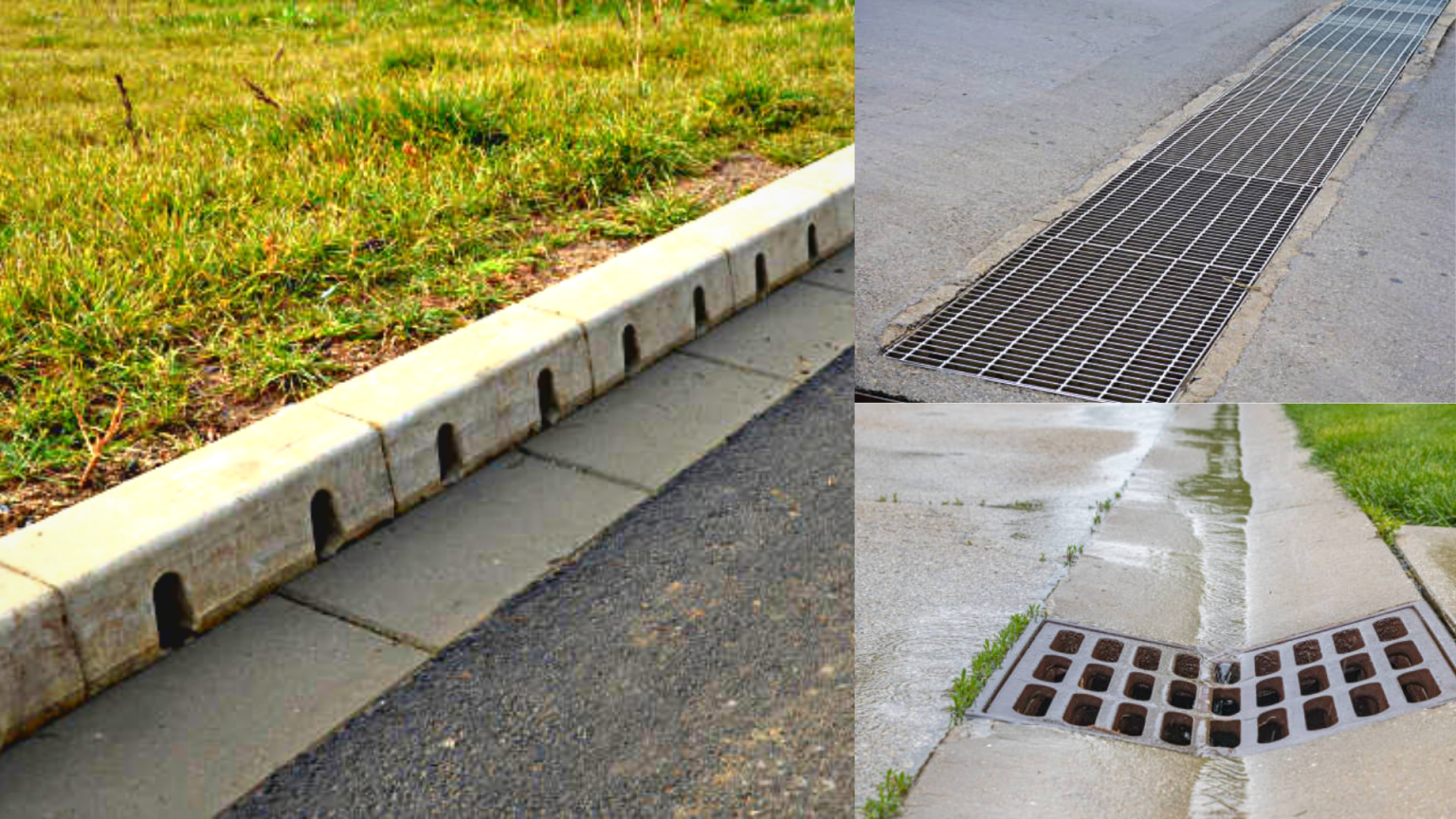
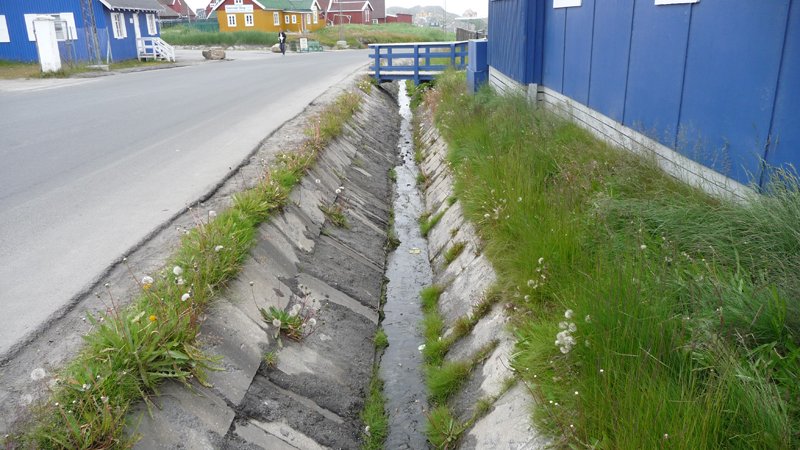
- Side drains (open channels): Channels alongside the road that carry runoff. They may be trapezoidal, V-shaped or U-shaped, and may be lined or unlined.
- Kerbs and gutters: For urban roads, continuous kerb and storm gutters collect sheet flow and convey it to inlet drains.
- Cross-falls and longitudinal falls: Road profile controls flow direction to outlets.
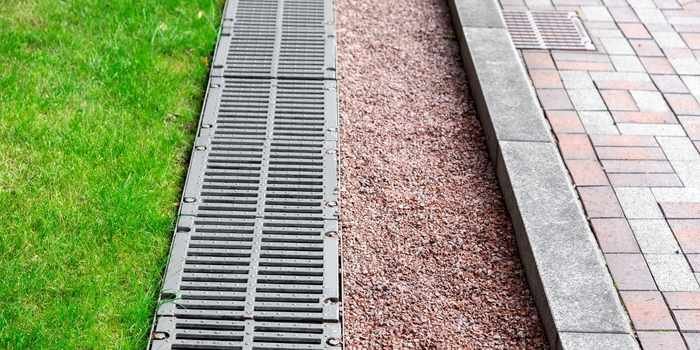
- Catchpits / inlet gratings: Capture surface runoff at intervals and pass it to underground pipes or open drains.
Surface drainage must be fast and uninterrupted. Blocked drains cause ponding, which damages the pavement.
Typical use cases and materials
- Rural highways: open side drains (earth, stone or concrete lined).
- Urban roads: kerb & channel, covered storm sewers and manholes.
- Hilly roads: narrow V-drains, parapet drains and frequent cross-drainage.
Design guides stress that side drains are sized for expected runoff and that slopes and capacity match local rainfall and catchment. Ministry of Housing and Urban Affairs+1
2 — Subsurface drainage (dewatering below pavement)
Subsurface drainage removes water that seeps into the pavement structure or that sits in the soil below.
Why subsurface drainage is needed
- To lower water table under the pavement.
- To drain water that enters through cracks, joints or porous layers.
- To prevent pumping of fines from underneath the base during heavy traffic.
- To keep base and subgrade dry for design strength.
Main elements of subsurface drainage
- Perforated longitudinal drains: Pipes or trenches parallel to the road, often wrapped in filter material, to collect groundwater.
- Cross drains / pipe drains: Pipes that connect longitudinal drains and move water to outlet channels.
- French drains / filter drains: Gravel-filled trenches with perforated pipes for roadside seepage.
- Blanket drains: Porous layers under the pavement that intercept and remove infiltrated water.
- Relief wells / bottle drains: Vertical drains used in soft ground to relieve pore water pressure.
Subsurface systems are key for roads on compressible soils and in areas with high groundwater. Good practice is to specify filter media and geotextiles so soil does not clog the drains. Civil Engineer DK+1
3 — Longitudinal drains (L-drains) and side drains
Longitudinal drains run along the road alignment. They collect sheet flow from the shoulder and subsurface flow from the pavement layers.
Side drains are open channels that may be:
- Unlined earth drains — cheapest; need slope and protection against erosion.
- Stone pitched drains — gabion or lined with dry stone for hilly areas.
- Concrete lined — durable and used in high flows or where headroom is limited.
- Prefabricated modular drains — interlocking concrete units or precast trapezoidal channels.
Spacing of intermediate inlets depends on slope, rainfall and drainage capacity. Manual and local IRC guidance give recommended intervals for urban and rural roads. Public Works Department Mizoram+1
4 — Cross-drainage systems
When a road crosses a natural watercourse, or when runoff must be taken across the road, cross-drainage works are required. These include:
- Culverts: Pipes, box culverts, arch culverts, slab culverts and pipe-arch types. They convey flow under the road. Choose type based on flow, headroom and hydraulic conditions.
- Bridges: For larger streams or navigable watercourses.
- Drainage channels and flumes: Convey water across the right-of-way.
Box culverts and multiple circular pipe culverts are common for medium flows. Arch and slab culverts suit shallow flow areas. The choice also depends on foundation conditions and cost. Testbook+1
5 — Urban drainage: kerb, gutter and storm sewer network
Urban roads need compact, covered systems:
- Kerb & gutter collects sheet flow from carriageways.
- Inlets / gullies (catch basins) collect and filter debris before it enters sewers.
- Storm sewers (pipes) carry flow to trunks and city drains.
- Manholes and inspection chambers for maintenance.
- Retention / detention ponds for peak control and water quality.
Design in urban areas must match municipal stormwater standards, consider pollution control and provide capacities for design storms. Many Indian cities follow manuals for stormwater management and require silt traps and oil interceptors where needed. Ministry of Housing and Urban Affairs
6 — Slope drainage and erosion control
On embankments and cut slopes, water control prevents erosion:
- Toe drains intercept groundwater and surface runoff at the foot of the slope.
- Chute drains or lined spillways carry water safely down slopes.
- Check dams, terracing and contour drains reduce flow velocity on hill roads.
- Vegetative protection (grass, vetiver) stabilises soil and reduces erosion rates.
In torrent-prone regions, design must include energy dissipators and apron protection to prevent scour. Egyankosh
7 — Special drainage elements and devices
- Catch pits / silt traps: trap sand and debris before pipes.
- Grills and trash racks: prevent blockages at inlets.
- Outfall protection: riprap or toe walls to prevent scour where drains discharge to streams.
- Invert drop structures: where low headroom requires energy loss control.
- Water table lowering systems (wells & sumps): used for construction or long-term control in very soft subsoils. ROADEX Network
8 — Materials and construction details (practical)
Common materials
- Earth and compacted fill (for open channels).
- Stone pitching and gabions (for slope protection).
- Plain or reinforced concrete (for lined drains, culverts).
- PVC/HDPE/RC pipes for underground drains.
- Geotextiles and filter blankets to prevent siltation.
Key construction points
- Provide adequate slope and cover. Standing water breeds problems.
- Protect inlets from silt during construction.
- Use stone pitching or concrete lining where erosion risk is high.
- Ensure pipe joints are watertight and backfill is properly compacted.
- Provide access for cleaning and maintenance.
Many manuals emphasise testing pipe gradients, invert levels and verifying hydraulic capacity before handover. Ministry of Housing and Urban Affairs+1
9 — Choosing the right system: a decision table
| Road type / condition | Typical drainage elements | Why it is right |
|---|---|---|
| Rural low-volume road, flat terrain | Side open earth drains, small cross-drains | Simple, cheap, easy maintenance |
| High-speed national highway | Paved side drains, lined culverts, silt traps | High flow, long design life, safety |
| Urban arterial road | Kerb & gutter, storm sewer, manholes | Confined corridor, aesthetics and pollution control |
| Hill/terraced road | V-drains, chute drains, terrace drains, toe protection | Controls slope runoff and prevents landslides |
| Wetland / high water table | Subsurface drains, longitudinal perforated pipes, relief wells | Prevents pavement saturation and pumping |
Use this table to match the main features to the local situation. Local codes give detailed dimensioning guidance. Public Works Department Mizoram+1
10 — Design principles and standards (India)
Indian Roads Congress (IRC) provides guidance on road drainage in dedicated publications. Key principles include:
- Design for appropriate return periods (routine drains vs cross drainage); larger waterways need bridge/cross-drain design to higher return periods.
- Size drains to carry runoff from the contributing catchment using rational or runoff models.
- Consider climate and monsoon intensity; design for peak short-duration storms for urban inlets.
- Provide erosion protection at outlets and ensure environmental safeguards.
- Ensure maintenance access and avoid designs that become maintenance nightmares.
Engineers in India commonly follow IRC guidance together with Ministry manuals and state PWD specifications. Public Works Department Mizoram+1
11 — Common problems and field solutions
Problem: Open drains silt up quickly.
Fix: Provide silt traps and schedule periodic desilting.
Problem: Pipes get blocked by debris and plastic.
Fix: Provide upstream grills and community awareness for waste disposal.
Problem: Water ponds at low points or manholes.
Fix: Improve longitudinal slope, increase capacity or add pumping where gravity disposal is impossible.
Problem: Scour at culvert outlets.
Fix: Provide riprap apron and energy dissipation.
Maintenance planning is as important as initial design. Simple design with good access leads to lower life-cycle costs. thelibraryofcivilengineer+1
12 — Operation & maintenance (short checklist)
- Regularly inspect and clean side drains and inlets (especially after monsoon).
- Remove silt and vegetation from open channels.
- Check and clear trash racks and inlet gratings.
- Inspect culverts for cracks, settlement and scour.
- Maintain records of cleaning and repairs.
- Keep spare parts for gratings and manhole covers.
A routine maintenance schedule reduces failure and extends pavement life.
13 — Sustainability and environmental aspects
- Use settlement ponds to trap silt before discharging to natural streams.
- Avoid direct discharge of polluted runoff; provide primary treatment in urban areas.
- Maintain natural drainage patterns where possible to protect aquatic habitats.
- Use permeable pavements and bioswales in urban low-impact projects to reduce peak runoff.
Proper drainage planning should integrate with watershed and river basin management. Ministry of Housing and Urban Affairs
14 — Quick reference table — common drainage elements
| Element | Function | Typical material | Maintenance |
|---|---|---|---|
| Camber/crossfall | Shed surface water | Pavement geometry | None |
| Side drain | Carry sheet flow | Earth/stone/concrete | Desilt, repair lining |
| Kerb & gutter | Collect urban runoff | RCC / precast concrete | Clear debris, repair joints |
| Catch basin | Entry point for gutters | Concrete with grating | Clean silt and debris |
| Culvert (pipe/box) | Cross drainage under road | RCC / HDPE / steel | Inspect, repair scour |
| Perforated longitudinal drain | Subsurface dewatering | Perforated pipe + filter | Flush blockages, inspect |
| Riprap apron | Outlet protection | Stone pitching | Replace stones, remove scours |
FAQs
Q1 — What is the difference between surface and subsurface drainage?
Surface drainage handles water running on or over the road (camber, gutters, side drains). Subsurface drainage removes water below the pavement (perforated pipes, blanket drains) to protect the structure.
Q2 — How often should side drains be cleaned?
In monsoon climates, inspect and clean at least once after the rainy season and more frequently if silt loads are high.
Q3 — When should I use a box culvert instead of pipe culverts?
Use box culverts for larger flows, flat approaches where headroom is limited, or where multiple small pipes would be inefficient.
Q4 — What codes should Indian engineers use for drainage design?
Refer to IRC guidelines on road drainage and relevant IRC/SP publications, MoRTH and municipal stormwater manuals for local urban design.
Q5 — Can permeable pavements replace drainage systems?
Permeable pavements help reduce runoff locally but do not replace the need for a full drainage network on roads that carry large runoff volumes.
Conclusion
A functional road drainage system is essential for safe, durable roads.
Design should combine surface measures (camber, gutters, side drains) with subsurface controls (perforated pipes, blanket drains).
Cross-drainage (culverts and bridges) is needed where natural streams or drains cross the alignment.
Choose simple, maintainable solutions that fit local climate, soil and traffic conditions.
Follow Indian codes and plan for regular maintenance. A small investment in appropriate drainage yields large savings over the life of the road.