Introduction
Mortar and grout look similar because both use cement, sand and water. But their job on a construction site is completely different. Using the wrong one can weaken a structure and increase repair costs. This detailed guide explains the difference between mortar and grout with simple English, short sentences and clear examples. It covers types, properties, applications, Indian site practices, mix ratios, tests and common mistakes. You will also find tables, FAQs and practical tips for engineers, students and site supervisors.
Quick Summary
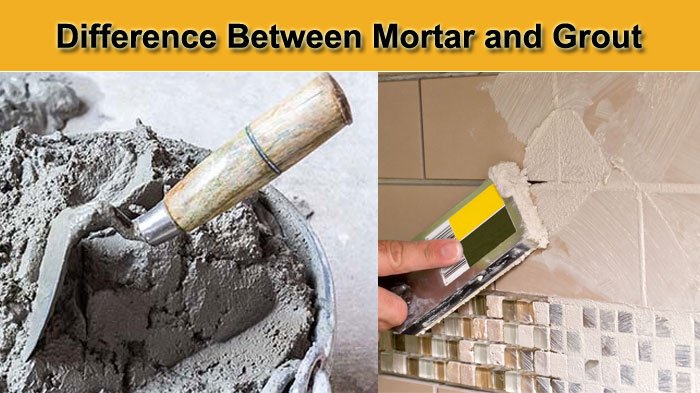
Mortar is a thick paste used for bonding masonry units and plastering. Grout is a fluid material used to fill voids, gaps or spaces and provide full contact between structural elements. Mortar stays where you place it. Grout flows to where you need it.
What Is Mortar
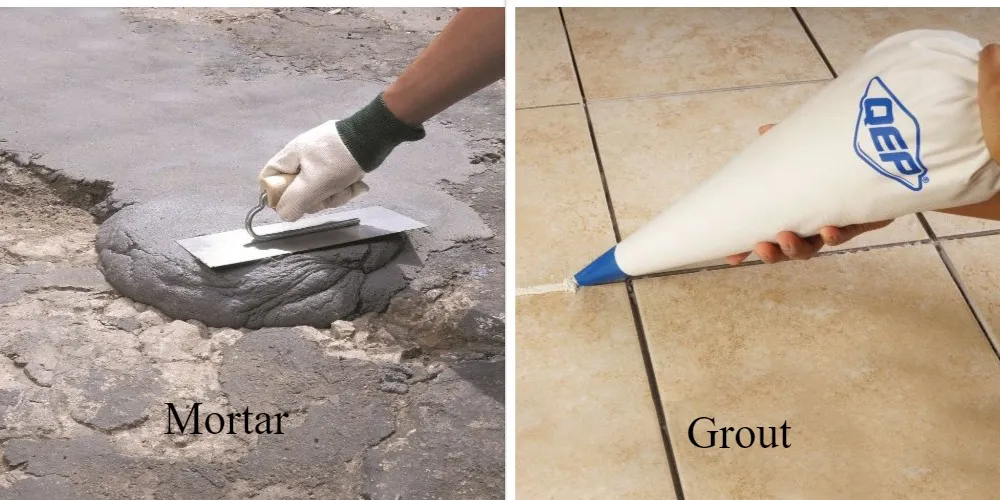
Mortar is a building material used for bonding bricks, blocks and stones. It also provides a uniform bed for plastering and pointing. Mortar is usually made of cement or lime, sand and water. Sometimes admixtures are added to improve workability.
Mortar must be plastic, workable and able to hold masonry units firmly in place. It should bond strongly and resist cracking. Indian construction projects use different types of mortar depending on strength requirements and exposure.
Common Mortar Types
Cement mortar
Used in modern brickwork, blockwork and plastering. It is strong and widely available. It sets faster in hot Indian climates.
Lime mortar
More flexible than cement mortar. It suits heritage buildings, soft stones and old structures that need breathability.
Gauged mortar
A mix of cement and lime. It offers good balance between strength and workability. Popular for plastering.
Gypsum mortar
Used for interior walls and quick finishing. Not suitable for external or wet areas.
Typical Mortar Mix Ratios in India
- 1:4 cement and sand for external plaster and load bearing areas
- 1:5 or 1:6 for general brick masonry
- Cement lime sand mixes like 1:1:6 for smoother plaster
What Is Grout
Grout is a fluid or pumpable material that fills gaps, holes, cavities or voids. It must flow easily and reach all corners of the void. Grout provides solid bearing, stabilisation and sealing. Its flowability is the biggest difference from mortar.
Common Grout Types
Cementitious grout
Made with cement, sand and admixtures. Used under baseplates, precast connections and masonry cores.
Non shrink grout
Contains special additives to avoid shrinkage. Important for machine bases and structural bearing.
Epoxy grout
A resin based grout that offers high chemical resistance. Used in kitchens, labs and heavy duty tile works.
Chemical grout
Used for soil stabilisation, crack injections and waterproofing. It is a specialised technique used in civil and geotechnical projects.
Key Technical Differences Between Mortar and Grout
| Feature | Mortar | Grout |
|---|---|---|
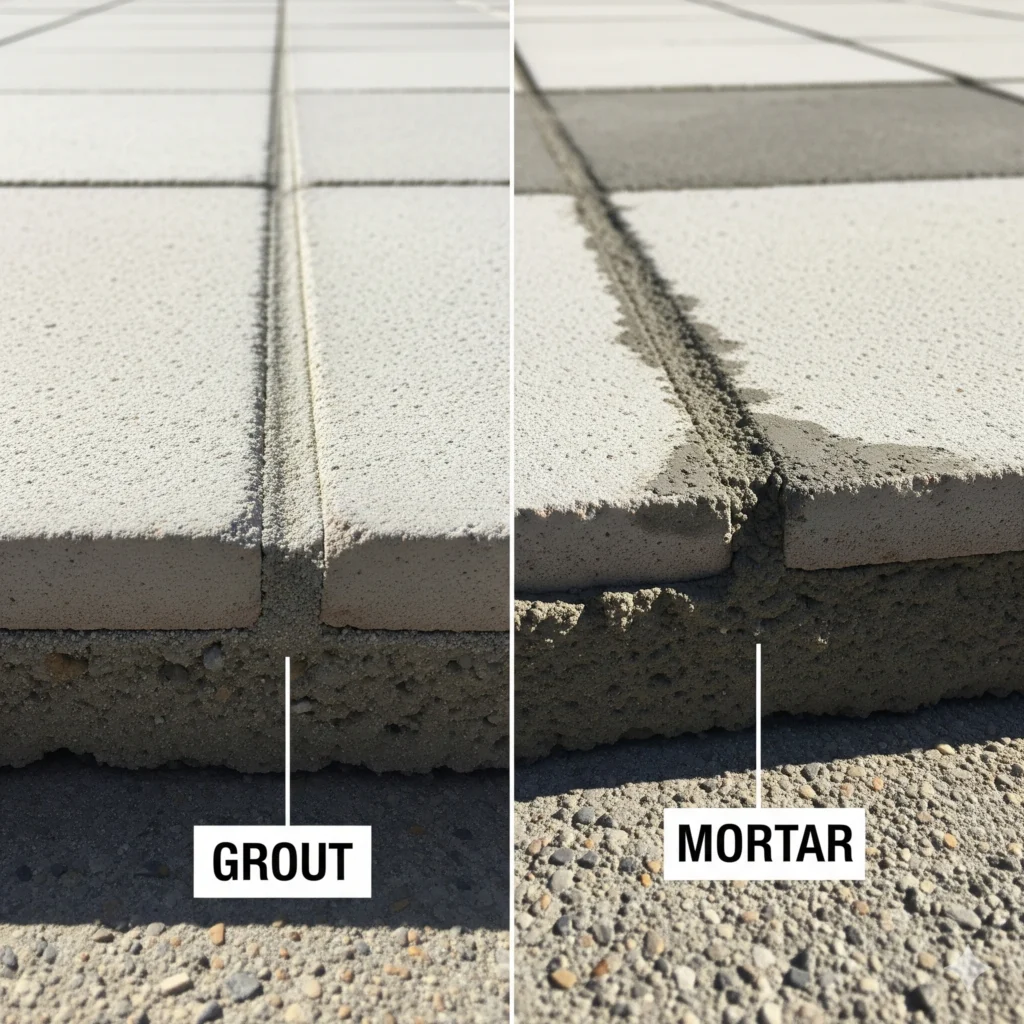
| Purpose | Bonding bricks and plastering | Filling voids and providing bearing |
| Consistency | Thick and workable | Fluid and highly flowable |
| Placement | Trowelled | Poured or pumped |
| Shrinkage | Moderate | Often non shrink |
| Strength | Moderate to high | High and stable |
| Uses | Masonry, plaster, pointing | Baseplates, tile joints, injections |
Properties That Matter on Site
Workability
Mortar must be workable under a trowel. Grout must have free flow to fill narrow gaps.
Strength
Mortar strength ensures stable masonry. Grout strength ensures proper bearing under heavy loads.
Shrinkage
Mortar can show minor shrinkage. Grout used for structural loads should not shrink.
Bond
Mortar bonds bricks and blocks. Grout bonds baseplates, anchors and embedded parts.
Durability
The right mix and curing ensure long term performance in Indian climate conditions.
Applications of Mortar in Indian Construction
Masonry Work
Mortar is used to lay bricks and blocks. Mixes like 1:6 and 1:5 are common for brick masonry. Damp the bricks before laying to reduce suction.
Plastering
Mortar creates a smooth finish. Cement mortar or cement lime blends are used depending on the finish required.
Pointing
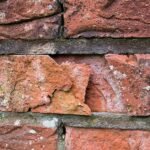
Mortar fills visible joints on stone walls and brick facades. It protects the wall from rainwater penetration.
Tile Bedding
In traditional construction, mortar beds are used before laying tiles. Modern projects often use tile adhesives.
Applications of Grout in Indian Construction
Baseplate Grouting
Non shrink grout is used under machine bases, column baseplates and heavy equipment to achieve full bearing.
Precast Connections
Grout fills the gaps between precast members so they act as a single structural unit.
Tile Joints
Tile grout fills joints between floor and wall tiles. Epoxy grout is popular in kitchens and bathrooms.
Crack Injection
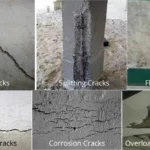
Fluid grout is injected into cracks to restore structural integrity.
Soil Stabilisation
Chemical grout strengthens loose soil in foundations and underground structures.
Mixing and Placement Tips
Mortar Tips
- Use clean sand and water
- Mix mechanically for better uniformity
- Do not add excess water
- Wet masonry units before laying
- Cure mortar for at least 7 days in hot climates
Grout Tips
- Check flowability with flow tests
- Use pumps for deep or narrow spaces
- Ensure formwork is sealed
- Place grout from one side to avoid air pockets
- Cure as per manufacturer instructions
Common Site Problems and Solutions
| Issue | Cause | Solution |
|---|---|---|
| Weak masonry bond | Dry bricks or poor mortar | Wet bricks and use correct mix |
| Grout not flowing | Wrong aggregate size | Use proper grout grade |
| Shrinkage cracks | Poor curing | Use non shrink grout and proper curing |
| Tile joint stains | Late cleaning | Clean early while grout is fresh |
| Voids under baseplate | Improper grouting | Use vents and proper grout ports |
Cost and Sustainability
Mortar is cheaper than grout because it uses simple materials. Grout especially epoxy and non shrink types costs more. But the right choice prevents future rework. Sustainable options include blended cements, ready mix mortars and controlled water usage.
FAQ Section
What is the main difference between mortar and grout
Mortar is used for bonding and plastering. Grout fills voids and provides bearing support.
Can mortar be used instead of grout
No. Mortar is too thick and does not flow. It will not fill narrow gaps.
Is epoxy grout better for bathrooms
Yes. Epoxy grout offers better waterproofing and stain resistance.
Why is non shrink grout important for baseplates
It ensures there is no gap after curing. This maintains full contact and load transfer.
Which mix is best for brick masonry
A 1:6 cement sand mortar is common for non load bearing walls. Use richer mixes for structural walls.
Conclusion
Mortar and grout are essential materials in Indian construction. Mortar bonds masonry and creates uniform plastered surfaces. Grout fills voids, supports baseplates and provides stable contact between structural parts. Mortar is thick and sticky. Grout is fluid and flowable. Understanding these differences helps engineers, contractors and students make better decisions on site. Using the correct material improves quality, durability and performance.