Advanced Plastering for Sustainable Construction in India
Plastering plays a major role in the durability and appearance of buildings. It protects walls, improves indoor comfort and affects a building’s long term performance. In sustainable construction, plaster selection becomes even more important. Eco friendly plastering helps lower carbon emissions, reduce cracks, manage moisture and create healthier indoor spaces. This guide explains advanced plastering systems used in modern green buildings. It is written in simple English to support students, engineers, contractors and site supervisors in India.
Why sustainable plastering matters
Sustainable plastering reduces the environmental impact of construction. Traditional cement plaster is widely used, but cement production creates high carbon emissions. Eco friendly alternatives like lime plaster, clay plaster and natural composite plaster reduce this burden. Many of these materials also improve indoor comfort by regulating humidity and heat. Breathable plasters prevent trapped moisture and protect walls from long term damage. Choosing the right plaster also reduces maintenance costs in the life cycle of a building. For Indian climate zones, these benefits are very valuable because of humidity, monsoon rains and temperature variations.
Main types of sustainable plaster used today
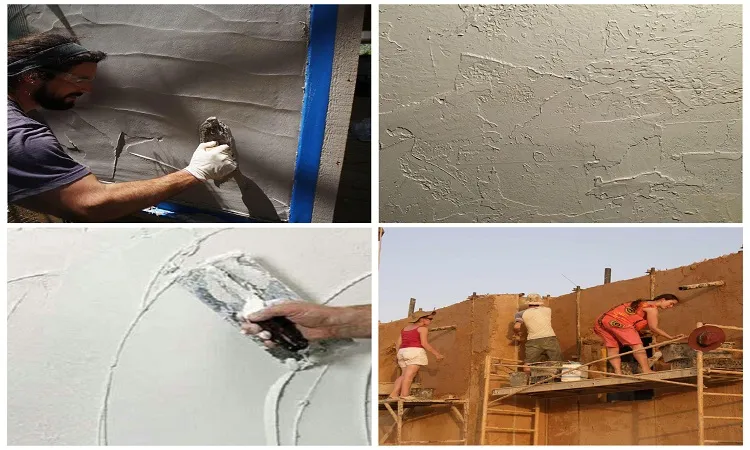
There are several advanced plaster types that support sustainable construction. Each type has its own advantages and suitable applications.
Lime plaster
Lime plaster is one of the oldest and most eco friendly wall finishes. It is breathable and flexible. It allows moisture to move out of walls and prevents damp problems. Lime plaster also absorbs some carbon during curing. It is suitable for both interiors and exteriors. It works very well on heritage structures and masonry walls that need breathability. Lime plaster also resists salt movement, which is common in coastal regions of India.
Clay plaster
Clay plaster is natural, low carbon and locally available in many parts of India. It is easy to work with and requires very little energy to produce. Clay regulates indoor humidity, reduces heat and creates a comfortable environment. It is best for interior use. Clay plaster is also easy to repair. It supports eco friendly construction and is popular in natural homes, farmhouses and mud architecture.
Polymer modified plaster
Polymer modified plaster improves adhesion and flexibility by adding polymer additives. It offers better resistance to water and cracking. It is useful in areas with high moisture and heavy use. It has higher embodied carbon compared to natural plaster, but it increases durability and reduces frequent repairs. It is commonly used in bathrooms, basements and exterior walls.
Ready mix eco plaster
Ready mix plaster is a factory prepared material with controlled quality. It ensures consistent strength, better workability and faster application. Many brands now offer low cement, low VOC or lime based ready mix plaster suitable for sustainable buildings. It reduces onsite waste and improves workmanship. It is ideal for large projects and fast track construction.
Natural composite plaster
Natural composite plaster combines materials like lime, clay, pozzolans, coir fiber, jute fiber, hemp or agricultural waste. These plasters offer insulation, carbon storage, moisture control and eco friendly performance. They are used in experimental buildings, green architecture, passive houses and energy efficient homes.
Indoor comfort and building health benefits
Breathable plasters like lime and clay improve indoor air quality. They allow vapor movement and avoid trapped moisture. They reduce mold formation and prevent damp walls. This is important in Indian homes where humidity levels rise during monsoon.
Natural plasters also avoid synthetic chemicals and harmful VOCs. Clay plasters help stabilize indoor temperature. Lime plasters maintain an alkaline surface that resists bacterial growth. These factors make sustainable plastering an ideal choice for homes, schools, offices and healthcare buildings.
Advanced plastering techniques for sustainable construction
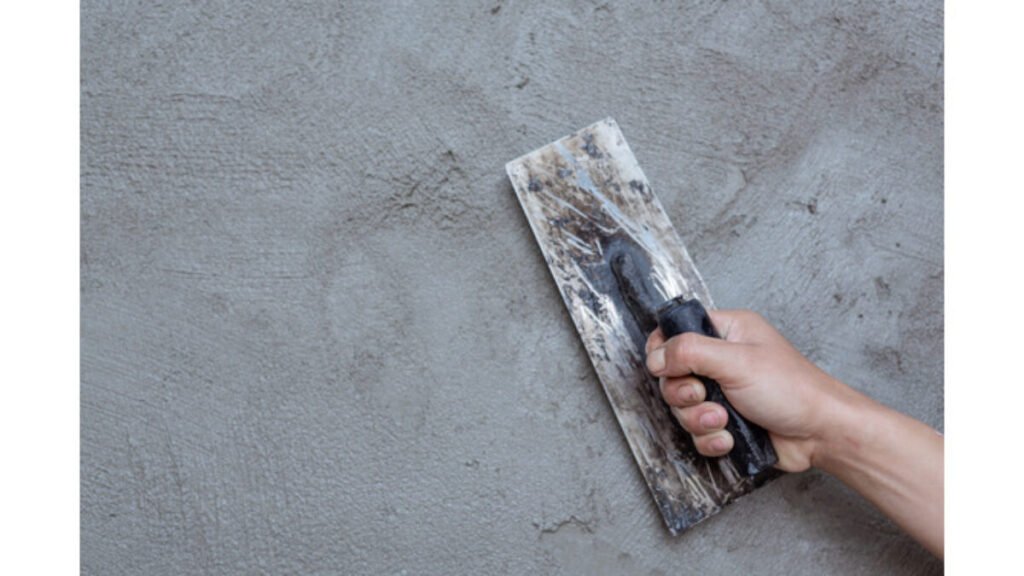
Sustainable plastering is not only about choosing environmentally friendly materials. Proper technique is equally important.
Multi coat system
A multi coat system with scratch coat, leveling coat and finishing coat improves durability. It controls shrinkage and prevents de-bonding.
Also Read System of Plumbing in Building Complete Guide for Modern Construction in India
Mechanical spray system
Spray plastering saves time and reduces wastage. Some lime and ready mix plasters can be applied using spray machines. It is useful for large surfaces and high speed construction.
Fiber reinforcement
Adding natural fibers like jute, hemp or coir improves strength and reduces cracks. Fibers create a stable plaster layer and resist shrinkage. They are especially useful in clay and lime plasters.
Breathable sealers
Use breathable sealers such as siloxane based coatings to protect exterior lime and natural plasters. These coatings protect from rain without blocking vapor movement.
Use of pozzolans
Pozzolans like fly ash, metakaolin and rice husk ash improve lime plaster strength. They help create hydraulic lime-like properties and reduce cement consumption. They also support low carbon construction.
Practical mix designs for sustainable plastering
Here are commonly used mix proportions. Site trials are important before final application.
| Plaster type | Mix ratio | Use case |
|---|---|---|
| Lime finish plaster | 1 part lime to 2.5 to 3 parts sand | Interior and exterior breathable finish |
| Hydraulic lime plaster | 1 part hydraulic lime to 3 parts sand | Exterior walls in moderate exposure |
| Clay plaster | 1 part clay to 3 to 6 parts sand plus small fiber content | Interior natural finish |
| Polymer modified plaster | 1 part cement to 4 parts sand plus polymer additives | Wet areas and damaged surfaces |
| Hemp lime plaster | 1 part binder to 2 parts hemp shiv | Lightweight insulating plaster |
Always adjust water quantity as per sand moisture content. Test adhesion, crack resistance and workability.
Site preparation and application
Surface preparation is critical. Remove dust, loose plaster and dirt. Wet the surface uniformly before application. For clay plaster, a clay slip coat improves bonding. For smooth surfaces, use mesh or a bonding agent.
Curing is essential, especially during hot Indian summers. Lime plasters need slow curing. Protect new plaster from direct sun and strong winds. Mist the surface gently to control shrinkage cracks. Do not apply thick coats at once.
Sustainability factors and life cycle impact
A sustainable plaster should have low embodied carbon, good durability and low maintenance. Cement plaster has high carbon emissions. Lime and clay plasters are low carbon. They often last longer when applied properly. Natural plasters reduce repainting cycles and produce less waste.
Ready mix plasters reduce mixing errors and maintain consistent quality. This reduces failures and rework. Use low VOC primers and natural paints to complete the sustainable wall system.
Cost and availability in India
Sustainable plaster materials are cost friendly. Lime and clay plasters are cheap and locally available. Polymer modified and ready mix plasters cost more, but save labor and reduce cracks. Natural fibers like jute and coir are affordable. Training masons is important. Many regions in India have strong traditional knowledge in lime work.
Common applications in India
Sustainable plastering is used in heritage restoration, eco homes, mud houses, green building projects, hospitality buildings, and schools. Clay and lime plasters are preferred for interior comfort. Lime is common in coastal regions because of its salt resistance.
Maintenance and repair
Maintenance is simple. Clean surfaces gently. Repair cracks using similar materials. Do not patch lime plaster with cement mortar. Use breathable sealers for exterior protection. Clay plaster can be rehydrated and repaired easily.
Risks and limitations
Natural plasters need skilled application. Clay plaster needs protection from water. Lime requires longer curing. Polymer plasters may reduce breathability. Poor workmanship can lead to cracks and peeling. Proper detailing at joints, sills and parapets is essential.
Quick selection chart for Indian conditions
| Building requirement | Best plaster option |
|---|---|
| Humidity control indoors | Clay or lime plaster |
| Heritage structures | Lime plaster |
| Exterior walls in rain exposed areas | Hydraulic lime or polymer modified plaster |
| Wet areas | Polymer modified plaster |
| Energy efficient buildings | Clay lime composite or hemp lime |
| Fast construction | Ready mix plaster |
FAQs
Is lime plaster suitable for modern buildings
Yes. Lime plaster works well in modern buildings and supports sustainability.
Can clay plaster handle Indian monsoon
Clay plaster is best used indoors. Use lime on exposed surfaces.
Does sustainable plaster cost more
Material cost is similar or sometimes lower. Skilled labor and curing time affect the price, but long term maintenance is low.
Can spray plaster be used with lime
Yes. Some ready mix lime based plasters support spray application.
Is polymer modified plaster eco friendly
It has higher embodied carbon but improves durability and reduces frequent repairs. Use it only where needed.
Conclusion
Advanced plastering for sustainable construction offers strong environmental and performance benefits. Lime, clay and natural composite plasters support healthy indoor environments and reduce carbon emissions. Polymer modified and ready mix plasters add durability and speed where required. The best results come from matching plaster type to climate, use and building design. India has a rich tradition of natural plasters, which makes sustainable plastering a practical and cost effective choice. By choosing the right materials and applying them correctly, buildings become long lasting, comfortable and eco friendly.