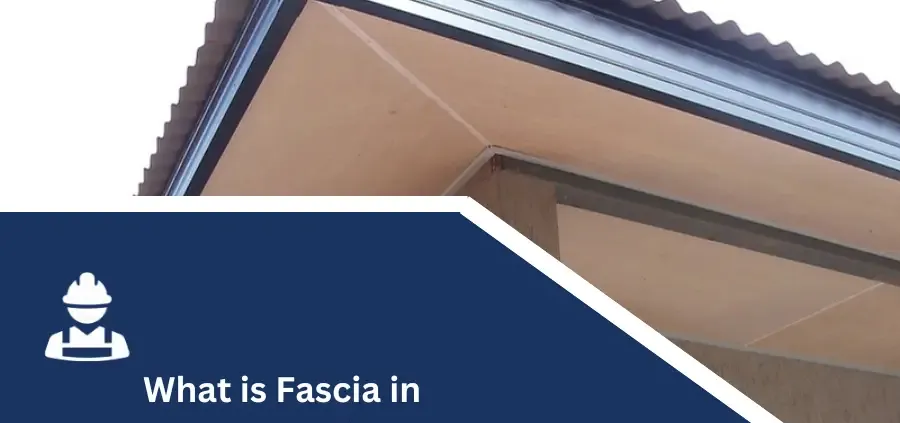
Fascia is a simple yet vital part of every building.
It sits along the roof edge, covers the ends of rafters, and gives the roofline a neat, finished look.
Though it might seem like a small detail, fascia plays an important role in the strength, protection, and beauty of a structure.
This detailed article explains what fascia is, its functions, types, installation methods, materials used in India, maintenance tips, and costs.
It’s written in simple English, with short sentences for easy understanding.
All details are updated and tailored for the Indian construction industry, keeping SEO optimization in mind with relevant keywords like roof fascia, fascia board, soffit and fascia, fascia materials, and fascia installation in India.
What is Fascia in Construction?
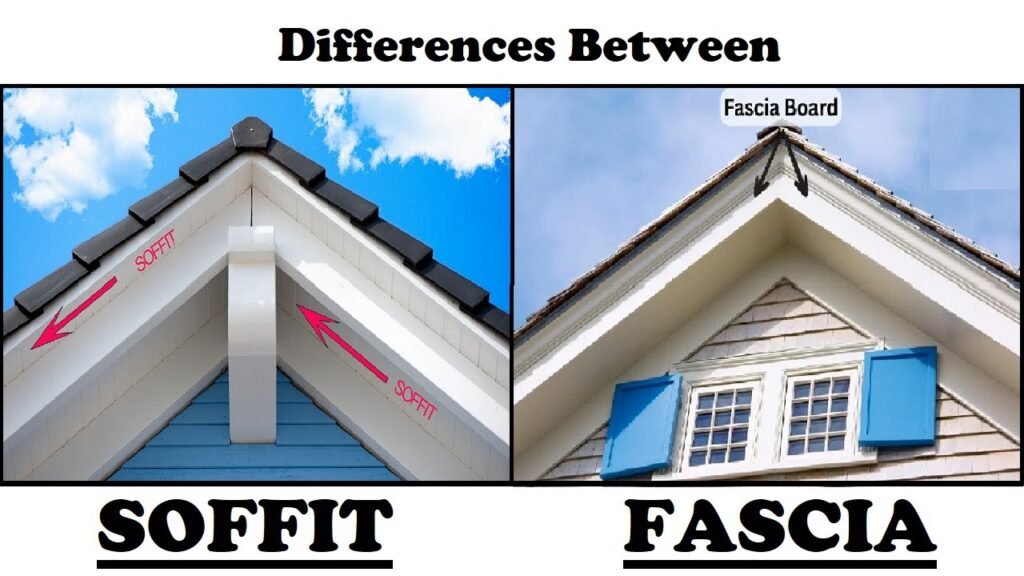
In construction, fascia refers to the horizontal board or band fixed along the edge of a roof.
It closes the gap between the roof and the wall below.
Fascia boards are often used to support rain gutters, protect rafters from weather, and enhance the building’s exterior appearance.
In simple terms:
Fascia is the face of the roof edge — it covers, protects, and beautifies.
Functions of Fascia in a Building
The fascia board may look decorative, but it performs several practical functions in both residential and commercial buildings.
- Protects Rafter Ends:
Fascia shields the exposed ends of roof rafters from sun, rain, and pests. - Supports Gutters:
In most buildings, rain gutters are fixed directly to the fascia.
It provides strength and stability to handle the weight of water during monsoon rains. - Improves Appearance:
Fascia gives the roof a clean and continuous finish.
Without fascia, the exposed rafters and joints would look untidy. - Prevents Water Ingress:
A well-installed fascia helps in directing rainwater properly into gutters, avoiding leaks and dampness. - Aids Ventilation (with Vented Fascia):
Some fascia systems are designed with vents that help circulate air in the attic or roof space. - Keeps Pests Out:
Fascia closes the gap between the roof and walls, blocking birds, insects, and rodents from entering.
Difference Between Fascia and Soffit
| Feature | Fascia | Soffit |
|---|---|---|
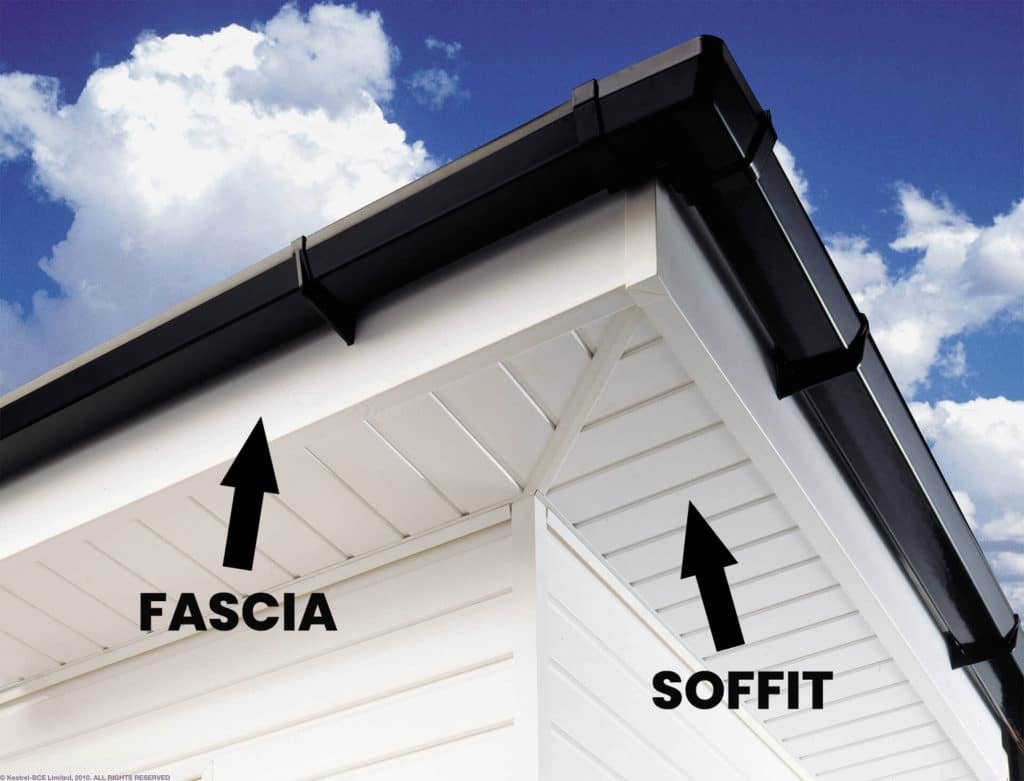
| Location | Vertical board at roof edge | Horizontal board under the eaves |
| Main Function | Protects rafter ends, supports gutters | Covers underside of eaves, allows ventilation |
| Visibility | Visible from outside front view | Visible from below the eaves |
| Material Options | Timber, uPVC, Aluminium, Fibre Cement | Timber, uPVC, Aluminium, Perforated Panels |
| Maintenance | Periodic inspection and cleaning | Occasional cleaning and repainting |
In short:
Fascia protects the edge.
Soffit covers the underside.
Both are essential for roof protection, ventilation, and aesthetics.
Types of Fascia Used in Construction
Fascia can be classified based on materials and design types.
1. Timber Fascia
- Traditional and natural look.
- Common in older Indian houses and bungalows.
- Can be painted or stained for protection.
- Requires regular maintenance to prevent termite and moisture damage.
Pros: Easy to shape and repair.
Cons: Vulnerable to rot, termites, and weather changes.
2. uPVC Fascia (Plastic Fascia)
- Made from unplasticized polyvinyl chloride (uPVC).
- Highly popular in modern Indian homes.
- Resistant to rot, insects, and moisture.
Pros: Low maintenance, cost-effective, lightweight.
Cons: Can fade under direct sunlight if not UV-stabilized.
3. Aluminium Fascia
- Used in commercial and high-end residential projects.
- Offers a sleek, modern appearance and long life.
- Non-corrosive and ideal for coastal regions.
Pros: Durable, rust-proof, and recyclable.
Cons: Slightly higher initial cost.
4. Fibre Cement Fascia
- Made from a mix of cement, sand, and cellulose fibres.
- Extremely durable and non-combustible.
- Ideal for fire-prone or humid areas.
Pros: Fire-resistant, low maintenance, weather-proof.
Cons: Heavier than PVC and needs skilled installation.
5. Composite Fascia (WPC or Hybrid Boards)
- Made from wood fibre and plastic (WPC) or composite materials.
- Combines the appearance of wood with the durability of plastic.
Pros: Long-lasting, weather-resistant, termite-proof.
Cons: Costlier than timber or PVC.
Comparison Table: Fascia Materials
| Material | Lifespan | Maintenance | Cost Range | Best For |
|---|---|---|---|---|
| Timber | 10–20 years | High | Moderate | Traditional homes |
| uPVC | 20–25 years | Low | Affordable | Low-maintenance houses |
| Aluminium | 30–40 years | Very Low | High | Coastal or premium projects |
| Fibre Cement | 25–50 years | Low | Moderate | Fire-prone or humid areas |
| Composite | 20–40 years | Low | High | Modern designs |
Standard Fascia Sizes in Construction
In India, fascia board sizes vary based on the type of building and roof design.
| Material | Thickness (mm) | Width (mm) | Common Usage |
|---|---|---|---|
| Timber | 12–25 mm | 150–300 mm | Sloping roofs |
| uPVC | 16–25 mm | 150–300 mm | Residential roofs |
| Aluminium | 0.8–2 mm | 75–300 mm | Industrial roofs |
| Fibre Cement | 6–12 mm | 150–250 mm | Commercial roofs |
Manufacturers often provide custom sizes depending on the project requirements.
Installation of Fascia — Step-by-Step
Installing fascia correctly ensures it lasts long and performs well.
Step 1: Inspect rafters — check for rot or uneven edges.
Step 2: Fix a backing board or batten if needed.
Step 3: Cut fascia boards to required lengths.
Step 4: Secure the fascia using corrosion-resistant screws or nails.
Step 5: Seal all joints and apply paint or protective coatings.
Step 6: Fix gutters to the fascia using proper brackets.
Step 7: Check for alignment, slope, and secure fittings.
Important Tips During Installation
- Use stainless steel screws or coated nails.
- Seal all ends and joints properly to prevent water leakage.
- Avoid over-tightening screws in uPVC or aluminium boards.
- Allow for thermal expansion in metal or plastic fascia.
- Always ensure a slight gutter slope towards the downpipe.
Fascia and Roof Ventilation
Proper ventilation under the roof helps prevent moisture buildup and heat.
Some systems use vented fascia boards or perforated soffits to allow air circulation.
In tropical Indian climates, vented fascia can reduce attic heat, control humidity, and extend roof life.
It is especially beneficial in metal and tile roofing systems.
Maintenance of Fascia Boards
Regular care increases the lifespan of fascia boards.
For Timber:
- Repaint every 3–5 years.
- Check for rot and termite infestation.
For uPVC:
- Clean with mild soap and water.
- Avoid harsh chemicals or scraping tools.
For Aluminium or Fibre Cement:
- Inspect joints yearly.
- Remove salt deposits in coastal regions.
General Tip:
Clean gutters regularly so that standing water doesn’t damage the fascia.
Common Fascia Problems and Solutions
| Problem | Cause | Solution |
|---|---|---|
| Paint peeling | Moisture or poor-quality paint | Repaint with exterior-grade paint |
| Sagging gutters | Weak fascia board | Reinforce with rafter backing |
| Termite attack | Untreated timber | Replace with treated or non-wood fascia |
| Cracks in board | Thermal movement or poor fixing | Re-seal or replace damaged sections |
| Water leaks | Improper sealing | Check joints and re-caulk |
Cost of Fascia Boards in India (Approximate 2025 Prices)
| Material | Price Range (₹ per running meter) | Remarks |
|---|---|---|
| Timber | ₹150 – ₹400 | Depends on wood type and thickness |
| uPVC | ₹250 – ₹600 | Includes pre-finished profiles |
| Aluminium | ₹400 – ₹900 | Powder-coated finishes available |
| Fibre Cement | ₹300 – ₹800 | Includes priming and sealing |
| Composite | ₹500 – ₹1200 | Premium product for modern projects |
Prices vary with region, thickness, and brand.
Design and Aesthetic Importance
Fascia also contributes to the visual identity of a building.
Color-matched fascia enhances curb appeal and blends with the roof and wall tones.
In modern architecture, fascia and soffit combinations are used to create bold and clean roof edges.
For traditional Indian houses, carved wooden fascia adds ornamental value, especially in Kerala and Rajasthan-style designs.
Fire Safety and Standards
For safe construction, fascia should comply with National Building Code (NBC) of India guidelines.
In high-risk or multi-storey buildings, non-combustible fascia materials like fibre cement or metal are preferred.
These materials meet IS standards such as IS 14871 for fibre cement products.
Climate Suitability for Fascia in India
| Region Type | Recommended Material | Reason |
|---|---|---|
| Coastal (Mumbai, Chennai) | Aluminium or Fibre Cement | Resistant to salt and humidity |
| Dry (Rajasthan, Gujarat) | uPVC or Composite | Low maintenance under dry heat |
| Humid (Kerala, Assam) | Fibre Cement or Aluminium | Moisture-proof and long life |
| Cold (Himalayan regions) | Timber or Composite | Insulating and aesthetic value |
Advantages of a Good Fascia System
- Protects structural components.
- Adds architectural character.
- Supports efficient rainwater drainage.
- Reduces maintenance costs.
- Improves fire resistance and ventilation (when designed well).
Disadvantages of Poor Fascia Work
- Leads to water damage on walls.
- Causes gutter failure during heavy rains.
- Encourages termite and fungal attack.
- Reduces property value due to poor appearance.
SEO Keywords for Better Reach
Fascia in construction, fascia board types, fascia vs soffit, uPVC fascia India, aluminium fascia, fibre cement fascia, roof fascia installation, fascia maintenance, fascia materials for Indian climate, fascia board price in India, fascia installation guide.
Frequently Asked Questions (FAQs)
Q1. What is fascia in construction?
Fascia is the board fixed along the edge of the roof that covers rafter ends and supports gutters.
Q2. What is the difference between fascia and soffit?
Fascia is vertical and visible from the front, while soffit is horizontal and visible from below.
Q3. Which material is best for fascia in India?
uPVC and aluminium are best for low-maintenance and long life. Fibre cement is great for fire and moisture resistance.
Q4. How often should fascia be painted?
Timber fascia needs repainting every 3–5 years. Other materials only need cleaning.
Q5. Can I install gutters directly on fascia?
Yes, but ensure the fascia is strong enough or supported by rafters to carry the weight.
Q6. How much does fascia cost in India?
Between ₹250 to ₹900 per running meter depending on the material and finish.
Q7. What happens if fascia is not installed?
The roof edges remain exposed, leading to water seepage, pest entry, and poor aesthetics.
Conclusion
Fascia may appear like a simple board, but it plays a vital role in protecting and finishing the roof.
It supports gutters, shields rafters, and gives the roofline a clean look.
For Indian buildings, choosing the right fascia material depends on climate, budget, and maintenance capacity.
Whether you pick uPVC, aluminium, fibre cement, or composite fascia, proper installation and regular inspection will ensure long-term performance.
A well-designed fascia system not only enhances durability but also elevates the architectural beauty of your home or commercial property.