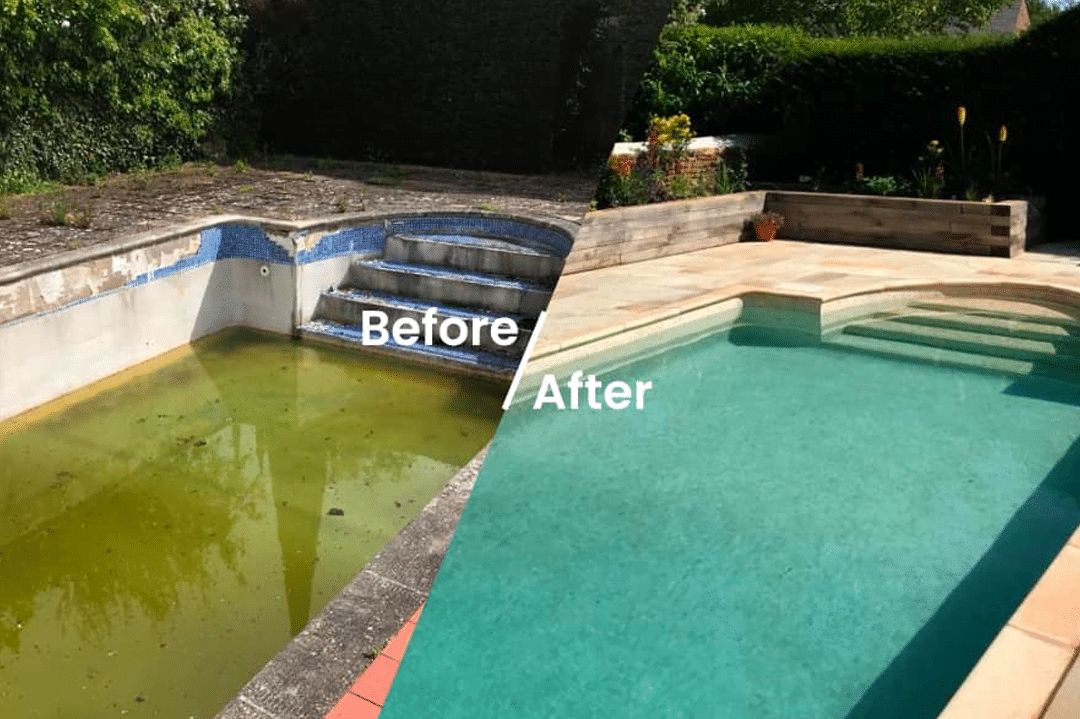
Iron in pool water is a common problem in many parts of India. It affects borewell water, well water, and water supplied from old pipelines. When iron dissolves in water, it gives a brown, yellow, or reddish tint. It also leaves stains on pool surfaces, filters, tiles, ladders, and swimsuits. If the iron level becomes high, the water looks cloudy and unhealthy. This reduces the overall swimming experience and increases maintenance costs.
Many pool owners struggle to understand the source of iron, the right treatment method, and the long term prevention plan. This detailed article explains everything in a simple way. You will learn the causes, removal methods, prevention steps, chemical treatment, filtration options, and maintenance tips. It is written for Indian conditions where borewell water is commonly used.
This guide also includes FAQs, tables, and a complete conclusion to make the article more useful for technical readers, homeowners, pool contractors, and engineering students.
What Is Iron in Pool Water
Iron in pool water comes from natural sources or from corrosion. When water stays underground for long periods, it dissolves minerals like iron and manganese. These minerals stay in a dissolved form that is not visible. But when the water comes in contact with air, chlorine, or sunlight, the iron oxidizes. After oxidation, it turns into rust particles. These particles cause discoloration and brown stains.
Iron in pool water creates several issues. It affects the pool appearance, damages equipment, and reduces water quality. It also reacts with chlorine and increases chemical consumption. Understanding iron formation helps pool owners take the right action at the right time.
Main Causes of Iron in Pool Water
Iron enters pool water due to many environmental and structural reasons. Here are the most common sources.
Borewell Water
Many Indian pools use borewell water. This water usually has a high dissolved iron content. It may look clear initially but turns brown after chlorination.
Corroded Iron Pipes
Old metal pipes and fittings release iron particles over time. When chlorine flows through them, corrosion increases.
Rusting Pool Equipment
Metal ladders, screws, and damaged steel parts can release iron and stain the surrounding area.
Low pH Levels
Acidic water can corrode metallic parts. This increases iron concentration in the pool.
Iron rich Soil or Groundwater
Pools constructed in areas with red soil or iron ore deposits face long term iron contamination.
How to Check Iron Levels in Pool Water
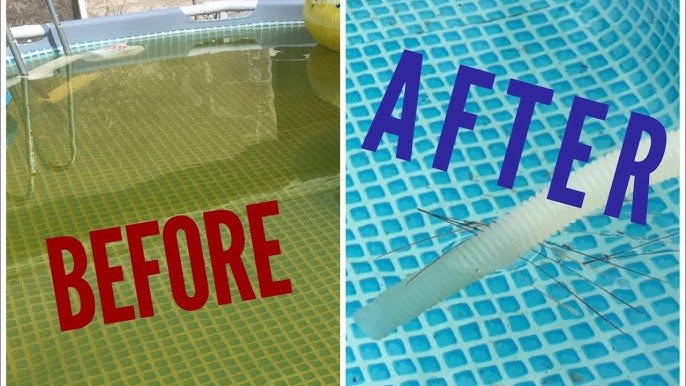
Testing the water is the first step before choosing any treatment method.
Methods for Testing Iron
There are simple and advanced testing methods.
| Testing Method | Description | Accuracy Level |
|---|---|---|
| Color test kits | Changes color based on iron presence | Medium |
| Digital pool testers | Electronic reading equipment | High |
| Laboratory water testing | Detailed mineral analysis | Very High |
| Professional pool service | Technicians test water onsite | High |
For Indian pool owners, a digital test kit is enough for daily use. Lab tests are useful when the iron level is extremely high or when planning long term treatment.
Also Read Difference Between Mortar and Grout for Strong and Durable Construction
How to Remove Iron from Pool Water
There are many reliable techniques to remove iron from water. The choice depends on iron concentration, pool size, available budget, and water source.
1. Shock Chlorination for Iron Removal
Shock chlorination is the most common practice. This method oxidizes dissolved iron and turns it into visible rust particles. These particles can then be filtered.
Steps for Shock Chlorination
- Test the pool for pH and alkalinity.
- Add a high dose of chlorine shock.
- Allow circulation for a few hours.
- Return iron to solid form through oxidation.
- Use a filter or vacuum to remove particles.
Shock treatment works best when the iron level is moderate.
2. Use of Metal Sequestrants
Sequestrants are special pool chemicals that bind with metal ions. They stop iron from oxidizing. This prevents stains and discoloration.
How Sequestrants Work
These chemicals do not remove iron. Instead, they keep it dissolved so it does not react with chlorine.
When to Use
Sequestrants are helpful after new water refilling or when iron content is low to moderate.
3. Filtration Systems
Advanced filtration systems can physically remove iron from water. These are suitable for pools using borewell water daily.
Types of Filters for Iron Removal
| Filter Type | Working Method | Best For |
|---|---|---|
| Sand Filter | Traps rust particles | Low iron levels |
| Cartridge Filter | Finer filtration | Small residential pools |
| Activated Carbon Filter | Removes taste and odor | Mild contamination |
| Iron Removal Plant | Complete iron filtration | High iron borewell water |
| Reverse Osmosis | Purifies water at molecular level | Premium water treatment |
Iron removal plants are common in India for farmhouses, resorts, and commercial pools.
4. Use of Flocculants
Flocculants make small iron particles stick together. These bigger particles settle at the bottom of the pool. Then they can be vacuumed easily.
This method is useful when water becomes too cloudy.
5. Partial Draining and Refilling
If the iron level is extremely high, draining some water and refilling with cleaner water helps. This method reduces overall iron concentration.
6. Pre Filtration Before Filling the Pool
One of the best preventive methods is pre filtration. Before adding water to the pool, pass it through:
- Sand filters
- Sediment filters
- Iron removal filters
This prevents iron from entering the pool in the first place.
How to Remove Iron Stains from Pool Surfaces
Sometimes, iron leaves stains on tiles, walls, and ladders. These stains need separate treatment.
Methods to Remove Stains
- Use mild acidic stain removers
- Use vitamin C tablets on the affected spot
- Use commercial metal stain removers
- Brush pool surfaces with nylon brushes
If the stain is deep, chemical treatment may be required.
Preventive Measures to Stop Iron from Returning
Long term prevention saves maintenance costs.
Effective Prevention Tips
- Keep pH between 7.2 and 7.6
- Avoid using rusty metal equipment
- Install iron removal systems for borewell water
- Add sequestrants regularly
- Clean filters at proper intervals
- Check pipelines for corrosion
Preventive measures are easier and cheaper than solving iron problems repeatedly.
Table: Comparison of Iron Removal Techniques
| Method | Removes Iron Completely | Cost | Difficulty | Best for |
|---|---|---|---|---|
| Shock chlorination | Partial | Low | Easy | Moderate iron |
| Sequestrants | No | Low | Very easy | Low iron |
| Filtration | Yes | Medium to High | Moderate | High iron |
| Flocculants | Partial | Low | Easy | Cloudy water |
| RO system | Yes | High | Moderate | Premium pools |
| Pre filtration | Yes | Medium | Easy | Borewell water |
FAQs
What causes brown water in a swimming pool
Brown water usually means high iron content. It oxidizes after adding chlorine and becomes brown.
Is iron harmful to swimmers
Iron is not harmful for health at low levels, but it affects appearance and increases chlorine demand.
Can chlorine remove iron
Chlorine oxidizes iron but does not remove it completely. You need filtration or flocculants.
What is the best filter for iron removal
Iron removal plants and activated carbon filters work best for Indian borewell water.
How often should I check iron levels
Test the water weekly if you use borewell water.
Conclusion
Iron in pool water is a very common issue, especially in India where borewell water is widely used. It leads to stains, cloudy water, and unpleasant swimming conditions. But with the right treatment methods, you can maintain crystal clear and safe pool water. Techniques like shock treatment, filtration systems, sequestrants, and flocculants help remove iron effectively. Preventive steps such as pre filtration, pipeline maintenance, and balanced pH protect the pool from future iron problems.
With regular testing and proper care, you can enjoy clean water, longer equipment life, and reduced maintenance costs. Choose the right method based on your iron level and pool size. A long term preventive approach always gives the best results.